Coffee is more than just a beverage—it is a daily ritual, a source of comfort, and a staple for millions around the world.
Whether it’s a morning pick-me-up or an afternoon recharge, coffee is woven into the fabric of everyday life.
In the UK, the average coffee consumption stands at 2 cups per person daily, while in the US, it’s an impressive 3 cups per person each day.
This widespread love for coffee fuels a massive global industry worth more than $200 billion.
However, not all coffee is equal, and the quality of each cup heavily depends on the preservation of its freshness.
Businesses constantly face the challenge of keeping coffee fresh from the moment it’s roasted until it reaches the consumer.
Proper coffee packaging plays a crucial role in ensuring that every sip delivers the same rich aroma and flavor, maintaining its quality right from the bean to the cup.
In this guide, we will delve into why good coffee packaging matters, the types available, and the factors you should consider to keep your coffee tasting its best.

Why Good Coffee Packaging Matters
1. Keeps Coffee Fresh Longer
Freshness is the heart of good coffee, and without the right packaging, even the highest quality beans can lose their flavor and aroma.
Good packaging helps maintain the integrity of the coffee by creating a protective barrier against moisture, light, and air—three elements that are notorious for degrading coffee quality.
Effective packaging ensures that the rich aroma and flavor are preserved, reaching customers as if the coffee were freshly roasted.
2. Extends Shelf Life

Coffee often stays on store shelves longer than expected, which makes durable packaging even more critical.
The right packaging design protects coffee beans or grounds from elements that accelerate spoilage, such as oxygen and humidity.
This helps in extending the product’s shelf life, ensuring that your coffee reaches the customer at peak freshness, even if it sits on the shelf for some time.
3. Boosts Brand Recognition
Coffee packaging isn’t just about protection—it’s a vital branding tool.
Eye-catching packaging can help distinguish your product from competitors, allowing customers to instantly recognize your brand.
Your packaging is often the first interaction consumers have with your product, and an effective design can make a lasting impression, enticing them to pick your brand over others.
4. Provides Information for Better Consumer Choices
Great coffee packaging acts as your silent salesperson, communicating essential information such as roast level, flavor notes, and origin.
These details help consumers make informed choices, especially when faced with a variety of products.
Packaging that effectively conveys such information builds trust and helps foster customer loyalty.
5. Protects Against Counterfeit Products
Counterfeit products can be a serious issue, harming brand reputation and consumer trust.
High-quality coffee packaging that includes tamper-evident seals, QR codes, or other security features can protect against counterfeit goods.
This reassures customers that they are purchasing an authentic product, helping to preserve brand identity and ensure long-term customer relationships.
5 Types of Coffee Packaging
1. Flat Bottom Bag

Flat bottom bags are exactly what they sound like—bags with a flat base that can stand upright, making them easy to store and display.
They are designed to keep coffee safe from external elements and preserve freshness.
However, while these bags offer stability and excellent protection, they may not be as environmentally friendly as some other options. Still, their convenience makes them a popular choice for many coffee businesses.
2. Quad Seal Bag

Quad seal bags have four side seals that provide additional stability, ensuring that the coffee stays fresh for longer periods.
These bags also feature a flat bottom, making them easy to display on store shelves.
Despite their many benefits, the rigid structure of quad seal bags can limit flexibility in terms of packaging certain blends or sizes, making them better suited for specific types of products.
3. Doypack
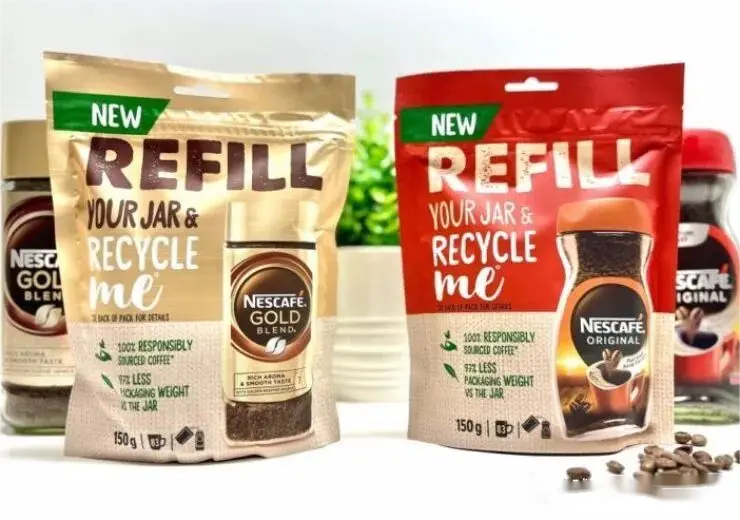
The Doypack is a flexible pouch that stands upright on its own, thanks to its unique design.
These pouches often come with resealable zippers, which help maintain the freshness of coffee even after it’s opened.
The resealable feature makes Doypacks a convenient option for consumers who value ease of use and freshness.
4. Pillow Bags
Pillow bags are named for their pillow-like appearance when filled and sealed.
These bags are lightweight yet durable, offering an economical solution for packaging coffee.
While they do not provide the stand-up stability of other options, their affordability and practicality make them a common choice for coffee packaging.
5. Glass Containers

Glass containers are favored by many businesses for two key reasons—they offer transparency, showcasing the quality of the product inside, and they prevent external odors from affecting the coffee’s flavor.
Although glass containers are heavier and more fragile compared to other packaging options, their premium appearance often appeals to consumers looking for high-quality coffee products.
Primary and Secondary Packaging for Coffee
Primary Packaging
Primary packaging is the first layer that comes into direct contact with coffee beans or grounds.
It provides essential protection and is what the consumer interacts with when purchasing the product. Common examples of primary packaging include:
- Coffee Bags: Typically made from kraft paper, foil, or similar materials, these bags are designed to keep coffee fresh and secure. Many of these bags come with resealable zippers and one-way valves that help preserve freshness.
- Coffee Cans: These cylindrical containers, often made from metal or plastic, have airtight seals to maintain the flavor and aroma of coffee. Coffee cans are also convenient for stacking and storage.
- Coffee Pods: These are small, single-use capsules that contain pre-measured ground coffee. Pods offer convenience, eliminating the need for measuring or grinding, making them ideal for consumers seeking a quick, hassle-free brewing experience.

Secondary Packaging
Secondary packaging refers to the outer layer that surrounds the primary packaging.
It offers additional protection during transit and plays a role in the visual presentation of the product. Examples include:
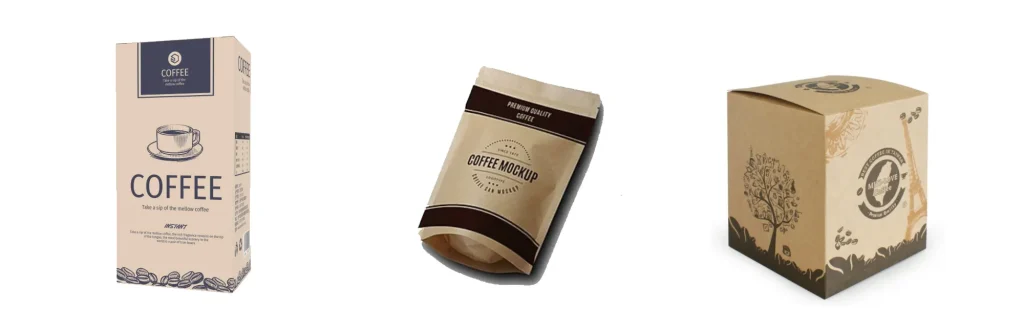
- Coffee Cartons: Sturdy and eco-friendly, these cartons are easy to stack and serve as an effective marketing tool. They protect coffee products while enhancing their presentation on the shelves.
- Coffee Pouches: These flexible bags serve as secondary packaging while offering ample space for branding and product information. Coffee pouches come in various sizes and can be tailored to fit specific needs.
- Coffee Boxes: Reliable and protective, coffee boxes are a preferred solution for transporting coffee beans or grounds, ensuring the product stays intact during transit.
6 Things to Consider When Choosing Packaging for Coffee
1. Material
The material is the foundation of great coffee packaging.
It should effectively protect the coffee from light, oxygen, and moisture. Options like foil provide superior shielding, while biodegradable materials appeal to environmentally-conscious consumers.
For durability, choose sturdy materials that can withstand transport and storage without compromising quality.
2. Degassing Valve
A degassing valve is an often-overlooked feature that plays a crucial role in maintaining coffee quality.
It allows built-up gases to escape from the bag without letting in oxygen, which could cause the coffee to lose its freshness.
Including this feature helps to maintain the integrity of freshly roasted beans.
3. Visibility
Packaging should stand out on the shelf. Clear packaging can showcase the quality of the beans, attracting potential customers.
Consider packaging that allows customers to see the product, enhancing the appeal of your brand.
4. Brand Identity
Your packaging should reflect your brand’s essence.
The colors, fonts, and imagery you choose should resonate with your audience and align with your brand’s message.
Consistent branding helps in building customer loyalty and making your product recognizable in a crowded market.
5. Ease of Use
Convenient features, such as resealable zippers or easy-open designs, can significantly enhance customer experience.
Ensure your packaging offers ease of use so that consumers can enjoy the product without frustration.
6. Cost
Consider the long-term costs of packaging.
High-quality packaging may require an initial investment but can save money in the long run by reducing waste and ensuring product safety.
Eco-friendly materials can also align with consumer preferences for sustainability.
How to Create Awesome Coffee Packaging Designs
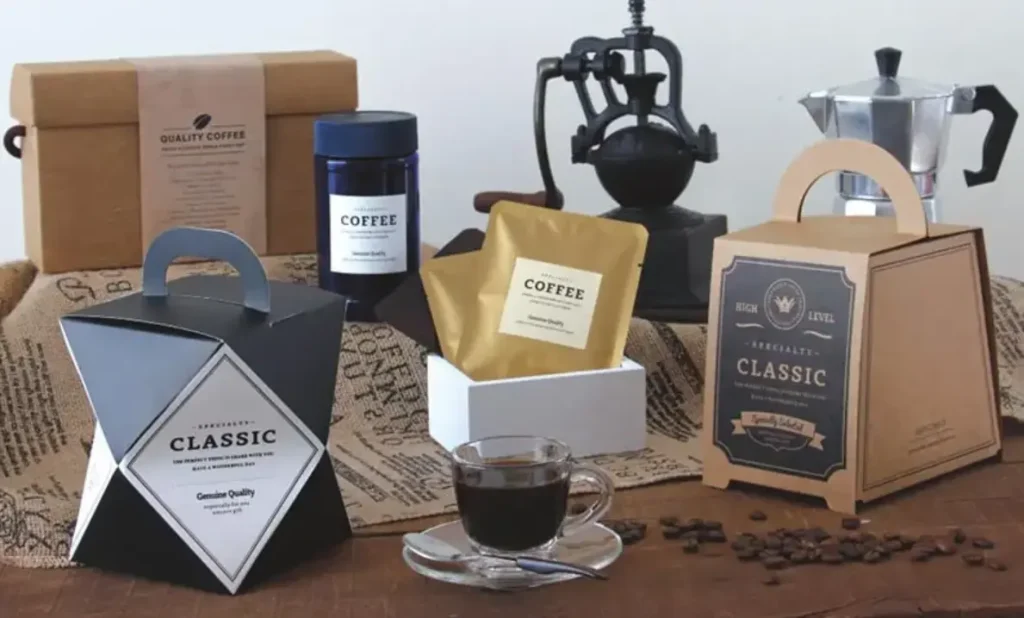
1. Know Your Audience
Understanding your target audience is key to creating packaging that resonates.
Consider their preferences, values, and what catches their attention.
Packaging that speaks directly to your target consumers will help forge a lasting connection.
2. Reflect Brand Identity
The colors, fonts, and imagery you use should echo your brand’s personality.
Whether you’re going for vibrant, lively colors or earthy tones, consistency is key.
Your packaging should reinforce brand recognition and help build trust with your customers.
3. Keep it Clear and Concise
Simplicity is powerful. Avoid clutter and focus on delivering key information like origin, roast level, and tasting notes.
Effective use of space ensures that your message is easily understood and impactful.
4. Use Eye-catching Graphics
Graphics play an important role in differentiating your product from others.
Visual elements that highlight what sets your coffee apart can help your packaging grab attention and communicate your unique selling points.
5. Test and Refine
Before finalizing your packaging design, test it with trusted customers and gather feedback.
This process allows you to make improvements based on real insights, ensuring the final product is perfect.
What Should Be Included on a Coffee Label?
1. Name of Your Product
The name of your product is the first thing customers notice.
Make sure it reflects the essence of your coffee, whether it’s bold, smooth, or unique.
A catchy, memorable name can create an emotional connection with customers.
2. Net Weight

Including the net weight is essential, as customers want to know the quantity they are purchasing.
Clearly displaying this information helps build trust and ensures transparency.
3. Company Information
Include your company name, logo, contact information, website, and social media handles.
This helps customers reach you easily and allows you to communicate your brand values and story.
4. Ingredients
If your coffee contains additives or flavors, clearly list them.
Transparency about ingredients builds consumer trust and helps those with dietary restrictions make informed choices.
5. Barcode
A barcode aids in inventory management and allows your product to be easily scanned in retail environments.
It also facilitates the expansion of your product to a wider market.
Optional Information: Roast level, roast date, origin (country, farm, or blend), sustainability claims, and descriptions of flavor, aroma, or texture can also be added to enhance consumer engagement.
Conclusion
Coffee packaging plays a crucial role in the success of your product. It safeguards the quality of your coffee, preserves its freshness, and acts as a powerful branding tool.
By choosing the right packaging materials and designs, you can ensure your coffee reaches consumers in its prime state, making each sip as enjoyable as possible.
Consider eco-friendly packaging options—they not only benefit the environment but also resonate with increasingly conscious consumers.
Finally, remember to use eye-catching, well-designed packaging to ensure your product stands out on the crowded shelves of coffee shops and retail stores.
Amazing coffee deserves amazing packaging—so make sure yours is up to the task.