If you’re wondering why there’s so much buzz around cardboard printing right now, consider this: the corrugated packaging industry is evolving rapidly due to the growth of e‑commerce and the rising demand for sustainable practices.
Consumers want eco‑friendly packaging that still looks great, while retailers need shipping boxes that double as store displays.
Analysts predict that retail‑ready packaging, advanced digital printing and fit‑to‑product automation will shape the industry throughout 2025.
In other words, printed cardboard is more than just a container – it’s a cost‑effective marketing tool and an environmental statement.
From a market perspective, sustainable packaging is projected to expand from roughly USD 292.71 billion in 2024 to USD 423.56 billion by 2029.
By 2025 more than 40 % of companies intend to adopt innovative and sustainable packaging techniques.
Aligning your packaging with these trends helps you stay ahead of regulatory requirements and consumer expectations.
Understanding Cardboard Printing
Cardboard printing refers to applying graphics, text or images directly onto paper‑based substrates.
You’ll typically encounter two main categories:
- Corrugated cardboard – made of liner boards and a fluted medium, it’s durable and perfect for shipping and heavy items. Single‑wall corrugated offers good protection, while double‑wall corrugated adds extra strength.
- Paperboard/chipboard – thinner, smoother boards used for cereal boxes, cosmetics or gift packaging.

Because these materials are mostly recyclable and compostable, printing on them supports a circular economy.
The printing process transforms plain brown or white boards into vibrant canvases for your brand.
Custom logos, patterns and product information can be added cost‑effectively, making cardboard printing an attractive option for both start‑ups and global brands.
Benefits of Cardboard Printing
Printing on cardboard isn’t just about decoration – it drives real business value. Here’s what you can gain:
- Boosted brand visibility – People notice customized boxes. Thoughtful design and prominent logos can dramatically improve brand recognition. Customers often keep boxes for reuse, amplifying your logo in homes and offices.
- Enhanced customer loyalty – An attractive unboxing experience shows you care. According to packaging experts, personalized packaging helps build appreciation and trust, leading to repeat purchases.
- Durability and protection – Corrugated boxes provide a robust cushion for shipments; they help shield products from moisture and bacteria during long transits.

- Customization flexibility – You can tailor shapes, sizes and designs to match your product and marketing goals. Even short runs or prototypes are affordable with modern digital presses.
- Environmental responsibility – Most corrugated packaging contains 70–100 % recycled material, and it’s biodegradable. Recycling and reuse reduce landfill waste.
- Cost and energy savings – Using local recycled materials and lightweight boards cuts transportation emissions and costs. Lightweight packaging means customers pay less for shipping.
- Versatility – Corrugated cardboard comes in many strengths and wall counts, making it suitable for products ranging from food to cosmetics.
In short, printed cardboard blends marketing, sustainability and practicality – a win for you, your customers and the planet.
Key Factors for Successful Cardboard Printing
Before sending your design to press, take a moment to consider these elements. They can make or break the final result:
- Cardboard type and thickness – Thin boards accept ink easily but may warp under heavy coverage, whereas thick boards are strong but require special techniques. Choosing the right grade prevents smudging and ensures structural integrity.
- Ink and coatings – Water‑based inks are eco‑friendly, while oil‑based inks offer vibrant colours. Gloss coatings make colours pop; matte finishes deliver a premium feel. Select inks and finishes that align with your sustainability goals and brand aesthetic.
- Surface texture – Smooth surfaces produce crisp, detailed prints; rough or corrugated surfaces demand bolder designs to remain legible. Always test on the actual substrate before a full run.
- Design considerations – Keep your design bold and simple. Avoid extremely fine lines that may blur, and use high‑contrast colours against the natural brown or white of the board.
- Environmental factors and storage – Humidity and heat can warp cardboard and affect print quality. Store materials in a dry, controlled environment and schedule production accordingly. Opt for sustainable inks and boards whenever possible.
- Partner selection and testing – Work with an experienced printing partner that offers proofing. Test a small batch first to verify colour accuracy and adhesion. At Pakoro we encourage prototypes to ensure perfection before scale.
Keeping these factors in mind minimizes costly mistakes and ensures your packaging looks polished and professional.
Cardboard Printing Methods
Multiple printing methods are available, each with its own advantages. Understanding them helps you match the process to your needs.
Offset (Litho) Printing
Offset printing produces sharp, high‑resolution images and is cost‑effective for large volumes. A plate transfers the design to a rubber blanket, which then presses onto the cardboard. While the setup cost is higher and plates take time to make, the per‑unit cost drops dramatically at scale.

Flexographic Printing
Flexo printing uses flexible plates mounted on cylinders to stamp designs on various materials. It’s versatile and fast, making it ideal for high‑volume runs with limited colours. Flexo prints well on rough surfaces and is widely used for shipping boxes.
Digital Printing
Digital printing applies ink directly to the substrate without plates. It shines for short runs, rapid turnarounds and full‑colour graphics. Key benefits include quick setup, efficient mass customization and the ability to change artwork without new plates. Evolving technologies mean digital print quality now rivals flexo. However, the cost per unit can be higher on very large orders.

Screen Printing
Screen printing (silk printing) pushes ink through a mesh onto cardboard. It’s perfect for bold graphics and solid colours but not ideal for intricate details. Setup takes time, so it’s better suited for medium runs rather than one‑off prototypes.

UV Printing
UV printing uses ultraviolet light to instantly cure inks, producing vibrant, durable images. It works on varied surfaces and minimizes smudging. Although equipment and ink costs are higher, quick drying and minimal solvent waste make it attractive for premium packaging. Market analysts expect the UV printing segment to reach USD 1.71 billion by 2027.

Pros and Cons Summary
| Method | Key advantages | Key disadvantages |
|---|---|---|
| Offset | High quality; economical at scale | High setup cost; not economical for short runs |
| Flexographic | Fast and versatile for large runs; prints on rough surfaces | Lower detail than offset; limited colour palette |
| Digital | Quick setup; variable data and customization; comparable quality to flexo | Higher cost per unit for large runs |
| Screen | Great for bold colours and irregular shapes | Not ideal for fine detail; higher setup cost for small orders |
| UV | Instant curing; vibrant colours; durable and smudge‑free | Higher equipment and ink costs |
Choosing the Right Printing Method
Selecting the best printing method isn’t just about technology – it’s about aligning your needs with cost, volume and sustainability goals. As you decide, ask yourself these questions:
- What’s your order size? Large volumes often justify offset or flexo printing because their higher setup costs are spread over many units. For small or medium runs, digital printing allows affordable, on‑demand production.
- How important is sustainability? Digital printing produces less waste, and offset printing can use soy‑based inks and recyclable materials. Verify that your supplier offers eco‑friendly options and recycled boards.
- How complex is your design? Detailed, multicolour images favour digital or offset printing, whereas simple logos and text work well with flexo or screen printing.
- What’s your budget? Digital printing is cost‑effective for short runs since there’s no plate cost. Offset printing has higher initial expense but becomes cheaper for high volumes. Screen printing sits in the middle.
At Pakoro, we recommend sitting down with our experts to discuss your goals.
We’ll review prototypes, evaluate colour reproduction and ensure your packaging meets both aesthetic and functional requirements.
A partnership approach ensures you don’t have to navigate these choices alone.
Real‑World Applications of Cardboard Printing
Cardboard printing has countless applications across industries. Here are a few you might explore:
- Product packaging – Printing directly on shipping boxes, mailers and product cartons enhances shelf appeal and brand professionalism. Subscription boxes benefit from eye‑catching graphics that delight customers upon delivery.
- Temporary displays – For short‑term promotions or seasonal campaigns, printed cardboard banners and displays are lightweight, inexpensive and easy to assemble.
- Standing displays – End‑caps and free‑standing displays in retail settings use printed corrugated panels to attract shoppers. Their rigid yet portable nature makes them ideal for high‑traffic areas.
- Art and creative projects – Schools, artists and DIY enthusiasts use printed cardboard for décor, signage and unique art pieces. The material’s versatility encourages creativity.
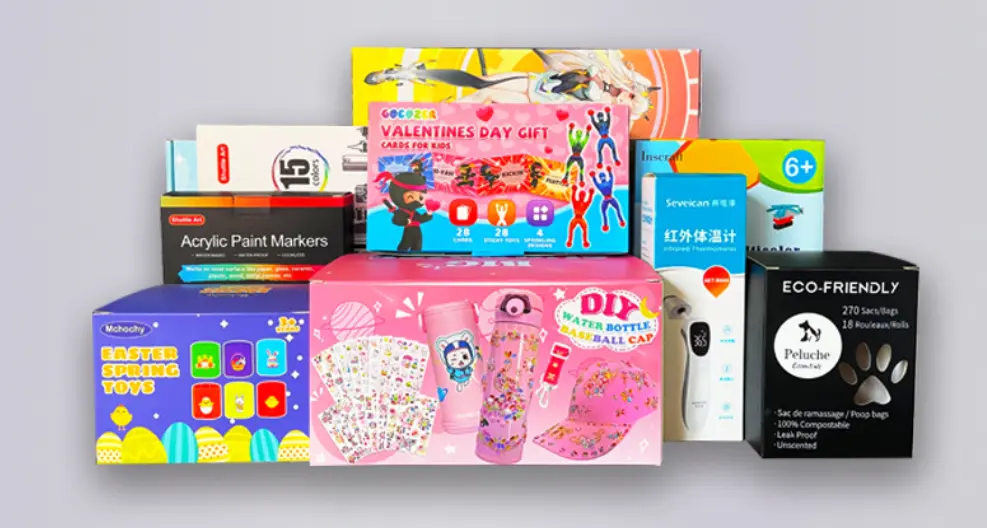
Whether you’re shipping goods, setting up a pop‑up shop or crafting a school project, printed cardboard offers a flexible canvas for your imagination.
Trends for 2025 and Beyond
Looking ahead, several trends are reshaping the cardboard printing landscape:
- Eco‑friendly innovations – Expect greater availability of recyclable finishes and biodegradable coatings that reduce environmental impact while maintaining print quality. Brands are also embracing post‑consumer recycled materials.
- Personalization and variable data – Advancements in digital printing allow brands to tailor packaging for individual customers, enabling unique graphics and messaging per batch.
- Augmented reality (AR) and QR codes – Integrating AR experiences and scannable codes into printed designs lets consumers interact with packaging, deepening engagement and providing additional information.
- Fit‑to‑product automation – Automated systems that cut boxes to precise product dimensions reduce material waste and shipping volume. Retailers benefit from retail‑ready packaging that goes straight from truck to shelf.
- Continued shift toward digital – As digital print quality rises and costs fall, more companies are migrating from flexo to digital for short runs. Rapid setup times enable on‑demand production and mass customization.
Staying ahead of these trends helps you deliver packaging that’s not only beautiful but also innovative and sustainable.
Frequently Asked Questions (FAQs)
What types of cardboard are best for printing? Single‑wall corrugated is standard for shipping; double‑wall corrugated provides extra strength, and paperboard/chipboard works for lighter items like cereal boxes.
Is cardboard printing environmentally friendly? Yes – cardboard is largely biodegradable and recyclable. Using recycled content and eco‑friendly inks further reduces your footprint..
Does cardboard printing save costs? It can. Lightweight materials lower shipping costs, and choosing the right printing method for your volume keeps overall expenses down.
What printing method should I choose? For large runs with simple designs, flexo or offset are cost‑effective. Digital printing is ideal for small runs, fast turnarounds and variable data.
Can I print fine details on corrugated cardboard? Digital or offset printing handles complex, multicolour designs best. Flexo and screen printing work well for bold, minimalistic graphics.
Conclusion
Printed cardboard is much more than protective wrapping – it’s an opportunity to tell your story, delight your customers and demonstrate your commitment to the environment. By understanding the materials, methods and trends, you can make informed decisions that elevate your brand.
At Pakoro we’re passionate about helping businesses of all sizes harness the power of sustainable packaging. Whether you’re launching a new product or rethinking your existing packaging, our experts are ready to guide you through every step.