As a Packaging Expert, you want to impress retailers and captivate customers with efficient, branded, and cost-effective Shelf-Ready Packaging solutions. You’re in the right place. Below is your quick-start overview to help you make the most of Retail-Ready Packaging.
Quick-Start Key Takeaways
- Save Time and Money: Shelf-Ready Packaging (SRP) reduces restocking labor and lowers shipping costs by allowing products to be displayed directly after delivery.
- Enhance Branding: You can incorporate logos, colors, and other brand elements to create memorable retail experiences that resonate with shoppers.
- Improve Protection: SRP is structurally designed to minimize damage during transportation, ensuring better product integrity.
- Adhere to Retail Requirements: Major retailers such as Walmart and Costco often demand or strongly encourage SRP or RRP (Retail-Ready Packaging). Meeting these requirements paves the way for smoother entry to new markets.
- Optimize Supply Chain: SRP streamlines logistics with fewer touchpoints, ensuring efficient handling, quick replenishment, and a more robust supply chain.
Keep reading. You’ll discover practical tips, proven strategies, and step-by-step instructions for creating Shelf-Ready Packaging that meets your unique needs. The entire process—from budget planning to final production—will soon feel straightforward. Let’s dive in.
What Is Shelf-Ready Packaging & Why Does It Matter?

Shelf-Ready Packaging (SRP)—also called Retail-Ready Packaging (RRP)—refers to specially designed packaging that simplifies in-store handling. You might wonder how it differs from standard boxes or simple shipping cartons. The difference is all in the details. SRP is engineered for swift shelf placement, minimal unpacking, and eye-catching presentation.
When you rely on SRP, you can reduce labor costs and meet stringent retail requirements. Plus, you’ll give your brand a boost by showcasing your product in a visually appealing, easy-to-grab package. In short, Shelf-Ready Packaging matters because it drives efficiency, promotes brand awareness, and helps you comply with big-box retailer guidelines.
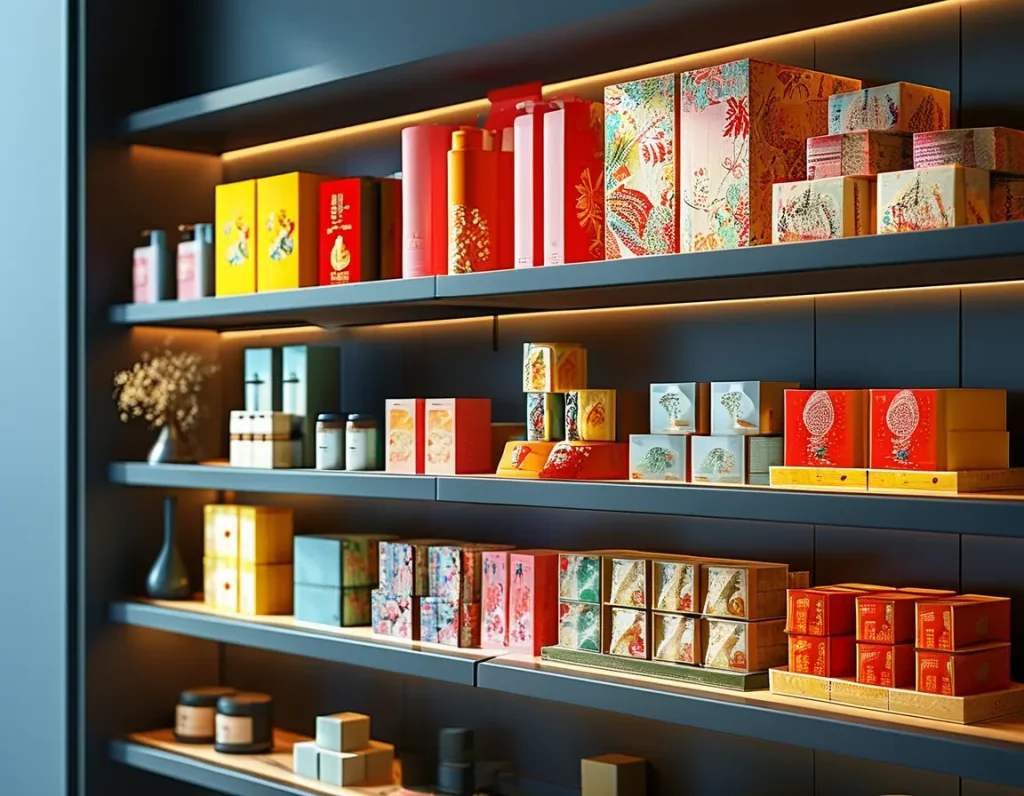
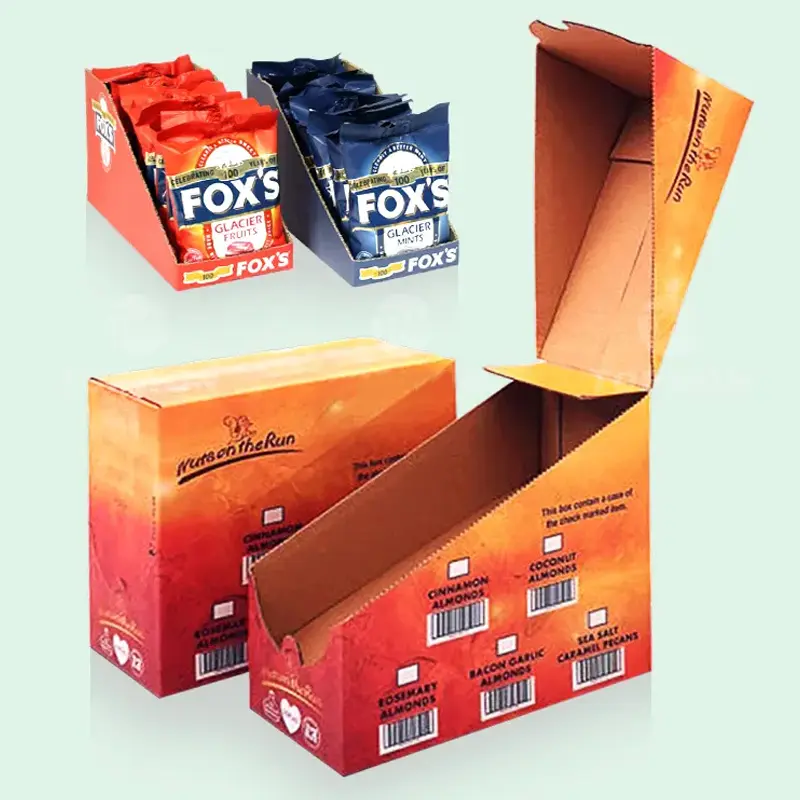
You’ve likely seen SRP on stores’ shelves, often in the form of a perforated corrugated tray or a tear-off cover that quickly converts into an appealing shelf display. Retail employees love how simple it is. Customers appreciate the clear, concise look of your product line.
Core Benefits of Shelf-Ready Packaging
Before jumping into the step-by-step guide, consider the tangible benefits of SRP:
- Identify: You help employees identify product cartons quickly in the backroom. They see your brand name or product details right on the box.
- Minimal Opening Effort: SRP often uses tear strips or perforations, so associates don’t have to reach for box cutters. This reduces injuries and speeds up shelving.
- Fast Replenishment: With a one-touch process, restocking is a breeze. Your product goes straight from the shipping box to the sales floor without repacking.
- Enhanced Shopping Experience: Customers spot your product immediately, thanks to the clear branding and accessible presentation.
- Easy Disposal & Recycling: After your products sell through, the remaining packaging is quick to break down and recycle. This is an environmental plus.
- Sales Boost: Efficient merchandising fuels impulse purchases.
- Damage Reduction: SRP often incorporates robust corrugated materials that protect items during transit.
- Better Presentation: Your product stands out, which can improve the perceived value among consumers.
- Supply Chain Optimization: Because SRP typically has a uniform shape and size, freight costs and warehouse storage fees often drop.
Step 1: Determine Your Shelf-Ready Needs
Your first move toward successful Retail-Ready Packaging is defining the scope of your project. Below are five essential areas to consider:
A) Product Type and Requirements
Ask yourself: What kind of product do I want to showcase? Are they fragile items like glass bottles, or heavier, solid items like canned food? SRP must accommodate the size, shape, and weight of your merchandise. If your product is delicate, cushion inserts or specific corrugated thickness might be necessary.
Pro Tip: Evaluate the fragility and weight distribution of your items before finalizing your SRP design. This ensures your packaging holds up against shipping and in-store handling.
B) Innovations and Trends
Staying ahead of the competition matters. You can incorporate new features in your Shelf-Ready Packaging strategy. For instance, you might integrate Quick Response (QR) codes for interactive in-store marketing. Or consider child-friendly tear-away designs that entice parents to buy.
Be sure to follow industry news. Ask a trusted corrugated box manufacturer or packaging partner about the latest developments. They can offer you valuable insights on new materials, printing technologies, and consumer preferences.
C) Dimensions and Efficiency
Measure your product’s height, width, and length carefully. Account for any inserts or protective elements. A snug fit helps minimize shipping damage while cutting down on waste. Customers are more eco-conscious than ever. When you optimize dimensions, you reduce your carbon footprint and shipping costs.
Pro Tip: Always design for minimal slack space. Overly large boxes cost more and produce more landfill waste.
D) Production Volume
Consider how many units you intend to produce. Are you working with a short-run of 500 or a massive run of 100,000? The scale of your order influences costs, lead times, and production processes. Many packaging manufacturers offer lower per-unit costs when you opt for larger volumes. At the same time, if you choose smaller batches, digital printing can give you the flexibility to update designs without paying extra for new plates.

E) Brand Representation
What impression do you want to leave on the shopper? The Retail-Ready Packaging you create should be a direct extension of your brand identity. You want consumers to recognize your visuals instantly. Make sure to utilize your brand’s color palette, typography, logo, and messaging to reinforce brand recognition. The final look of your SRP must align seamlessly with your other marketing materials.
Step 2: Establish Your Budget
Budget sets the tone for your entire SRP program. You need to factor in both the direct and indirect expenses to avoid unexpected financial pitfalls:
- Product Pricing & Profit Margins: If your profit margin is narrow, you may want to prioritize cost-effective materials or simpler print processes.
- Anticipated Sales Volume: High-volume production often benefits from economies of scale.
- Packaging Materials & Fillers: Plan for the corrugated board, adhesives, protective inserts, or any special coatings.
- Shipping & Handling: If you plan to store or move large numbers of pre-assembled SRP units, you may incur extra warehouse or freight costs.
Meanwhile, don’t forget about contract packagers or fulfillment services. Outsourcing some or all of the assembly can free your in-house team for other tasks. It can also ensure you meet your timeline if you’re launching a new product in multiple retail outlets at once.
Volume Purchasing
Bulk orders often yield better pricing, but that doesn’t always mean it’s the best strategy for you. Storing thousands of extra boxes can be expensive and lead to outdated designs if your branding evolves. Because digital printing now offers short-run flexibility, you might choose smaller, more frequent orders. That allows you to keep your packaging fresh without large upfront investments.
Step 3: Designing Your Shelf-Ready Packaging
Design is the heartbeat of Retail-Ready Packaging. A strong design ensures your product stands out and is easy for customers to interact with. You also want to satisfy retailers like Walmart or Costco, who often have guidelines or preferences.
Spotlight Your Brand Elements
- Logo & Tagline: Position them prominently. These elements must be easily noticed from a few feet away.
- Colors & Fonts: Maintain brand consistency. You want shoppers to recall your brand at a glance.
- Product Visuals: Use product photos or icons to help customers quickly identify what’s inside.
- Storytelling & Information Architecture: Make each printed word count. Focus on succinct, powerful text that highlights benefits, instructions, or brand stories.
Display Methods
Shelf-Ready Packaging comes in various configurations. For instance, you can have a tray with a tear-off lid or a removable top that instantly converts into a shelf display. Some companies opt for a two-piece design, while others prefer a single piece with perforations. You can also consider stand-up pouches or a reusable plastic tray. Each approach has pros and cons related to cost, convenience, and brand impact.
Stackability and Efficiency
Pay special attention to your packaging’s stackability. Retailers love when two or more SRP units fit on a shelf, side by side or stacked. That improves replenishment speed and helps your product dominate the shelf space. Additionally, consider the “footprint” you’ll occupy. A stable, neatly stacked display is a plus for any store manager.
Minimizing Materials
Yes, you care about visual impact. But you also want to be sustainable. Try to design your SRP so you use minimal extra materials like tape, shrink wrap, or staples. Think of features such as tear strips, which reduce the need for box cutters while maintaining neat edges. Marketing and engineering teams must collaborate to achieve the right balance between branding, product protection, and sustainability.
Step 4: Choosing the Right Printing Style
You have three primary printing technologies to consider for SRP: Lithography, High-Speed Digital Printing, and Flexography. Each approach has unique benefits and drawbacks.
Lithography (Litho)
This is the classic method for high-volume, large-scale print runs with consistent designs. If you’re certain you’ll use the same graphics repeatedly, litho can be cost-effective. However, litho requires printing plates, which add to upfront costs. Production also takes longer because you must wait for plates to be created and tested.
High-Speed Digital Printing

Digital printing is the rising star in Shelf-Ready Packaging. You don’t need plates, which slashes lead times and setup costs. This method excels when you want to run multiple versions of the same base design—such as seasonal promotions or localized messaging for different regions. Digital presses produce vivid, photo-quality images, offering near-limitless customization. If you plan frequent design updates or smaller production runs, digital may be your best option.
Flexography (Flexo)
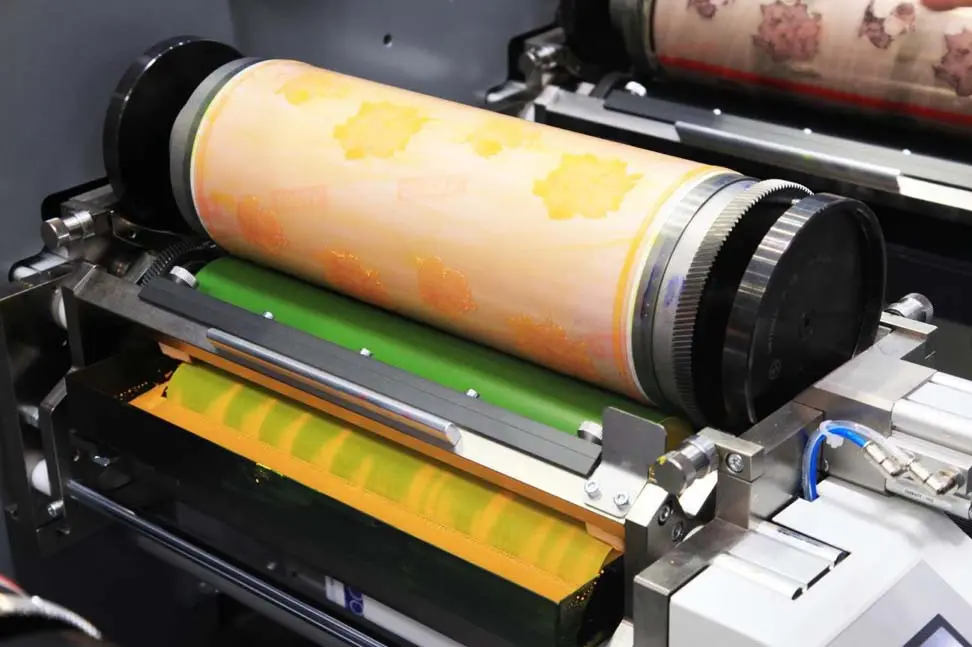
Flexo offers a more budget-friendly approach. It also runs at high speeds. But the downside is the visual quality might not be as crisp or vibrant as litho or digital. If simple graphics, text, or fewer colors meet your needs, flexo can still deliver. Flexo typically suits large volumes but is less capable of reproducing fine detail, gradations, and intricate designs.
Step 5: Selecting Paper Coating Options
Once you have your design, you may want to add a coating to protect the surface or enhance the visual appeal. Different coatings have different advantages:
- Matte Lamination: Delivers a subtle, refined look. It reduces glare and makes your SRP feel upscale.
- Gloss Lamination: Yields bright, glossy surfaces with vibrant colors. It adds a layer of protection against dust and scuff marks.
- AQ (Aqueous) Coating: Eco-friendly, water-based, and quick drying. It has a slight sheen and is popular with food and household products.
- UV Coating: Produces a high-gloss or spot-finish effect. It’s cured by UV light, offering increased durability and visual impact.
- Varnish: A more traditional finish that adds mild protection and a hint of shine, though it’s less eco-friendly and can yellow over time.
Step 6: Considering Special Finishing Techniques
You can add a touch of luxury to your Retail-Ready Packaging with special finishes:
Foil Stamping: Metallic or holographic foil draws attention and signals high quality.

Spot UV: Apply UV coating selectively to logos or specific design elements. It creates a striking contrast against matte or dull backgrounds.

Embossing & Debossing: Add dimensionality by raising (emboss) or impressing (deboss) certain areas for a tactile effect.

Window Cutting: Reveal part of your product. This technique is common for toys, allowing customers to press a button or test a feature before purchase.

Such extras can elevate your brand perception on the shelf. But keep an eye on costs. If you’re on a tight budget, you might choose just one impactful finish rather than multiple.
Step 7: Creating a Dieline
A dieline is the structural blueprint of your package. It details where your SRP will be cut, folded, glued, or perforated. If you want to ensure accuracy, partner with an experienced corrugated box manufacturer who can develop a dieline in design software like ArtiosCAD or Adobe Illustrator.
Remember that every fraction of an inch matters. Imprecise dielines can lead to:
- Flaps that won’t close properly
- Graphics that get cut off
- Difficult opening or assembly for store employees
Communicate frequently with your structural design team. You’ll save valuable time and money.
Step 8: Preparing the Artwork
You’ve finalized your dieline. Now, it’s time to align your brand’s visuals and text with that layout:
- High Resolution Graphics: Use at least 300 dpi for images and ensure your color space matches the printer’s requirements (usually CMYK).
- Bleed & Safety Margins: Leave some space around edges to account for cutting variance.
- Font & Text: Make sure fonts are embedded or converted to outlines. This prevents compatibility issues.
At this stage, you might also finalize any barcodes, legal disclaimers, or retailer compliance logos. If you’re unsure about file prep, many packaging providers have in-house design teams to assist you.
Step 9: Creating Prototype Shelf-Ready Packaging
It’s always wise to test a prototype. That means printing a small batch or even producing a single unit using the exact materials, adhesives, and finishes you plan for mass production. A prototype shows you:
- How the packaging looks under real store lighting
- Whether the dimensions are correct for your product
- If any text, images, or color blocks need adjustment
Show the prototype to relevant stakeholders: marketing, sales, fulfillment, and even a few potential retail buyers. Their feedback can be valuable. You don’t want to finalize thousands of boxes only to discover a minor flaw that hinders the shelf impact.
Step 10: Production and Shipping
Once you approve the prototype, full-scale production begins. This can be an exciting phase. Make sure you have an open line of communication with your packaging partner. They’ll keep you updated on timelines, shipping, and any potential issues.
- Assembled vs. KDF: You might receive your SRP as fully assembled units or in a flat, knock-down form (KDF) to save on shipping space.
- Timeline Coordination: You need to align production and delivery with product manufacturing, labeling, or pack-out schedules.
- Freight and Storage: Large orders sometimes require specialized freight or additional warehouse space.
Pro Tip: If you plan to reorder frequently, set up a long-term schedule or blanket purchase order. That way, your packaging partner can manage raw materials efficiently. And you’ll reduce lead times and potential stockouts.
Supply Chain Solutions and Ongoing Management
After you have your Shelf-Ready Packaging in hand, you should think about supply chain efficiencies. You can streamline the entire process from manufacturing to in-store placement.
Key Supply Chain Questions
- Assembly & Fulfillment: Will you assemble the packaging at your own facility, or outsource to a contract packager?
- Shipping Weight: Is your packaging light enough to save on freight but still protective?
- Inventory & Storage: Do you have enough warehouse space to store all your SRP units? Or do you need a vendor who can store them for you?
- Retailer Delivery: Are you shipping directly to stores, to a distribution center, or both?
Tracking and Improvement
- Monitor Stock Levels: If you run out of SRP, you can’t ship. That creates a bottleneck. Track your usage patterns, especially around holidays or promotional periods.
- Record Damage or Breakage: If you spot higher-than-expected product damage, reevaluate the thickness of your corrugated board, internal cushioning, or shipping methods.
- Tweak and Evolve: Stay flexible. Over time, new printing technology or emerging trends may encourage a redesign. Don’t hesitate to test improvements.
A Final Word on Partnering with a Packaging Expert
Choosing a knowledgeable, full-service corrugated box manufacturer can save you massive headaches. You gain access to:
- Professional Structural Design: Avoid dieline errors.
- In-House Creative Services: Perfect your graphics, brand messaging, and color matching.
- High-Speed Digital Printing: Experiment with new designs, regional variations, or short runs without extra plate costs.
- Warehouse & Fulfillment Support: Consolidate your supply chain needs.
By collaborating with an expert, you’ll enjoy a turnkey solution from concept to completion. That means you’ll avoid juggling multiple vendors or micromanaging the fine details. You’ll focus on what you do best: growing your brand and wowing customers.
Conclusion
Shelf-Ready Packaging is more than just a trending buzzword. It’s a powerful tool that can help you meet retailer guidelines, protect your products, and elevate your brand in front of customers. When you implement Retail-Ready Packaging, you simplify restocking, reduce waste, boost shelf appeal, and potentially increase sales through impulse purchases.
You might feel overwhelmed by the steps involved in designing and producing SRP. However, with a clear plan—along with a packaging partner who understands your goals—you’ll find the journey both feasible and rewarding. Begin by determining your specific requirements, budgeting wisely, and conceptualizing a design that speaks to your brand identity. Then, choose printing methods, coatings, and finishes that align with your goals. Always prototype before final production, and monitor your supply chain to optimize costs and performance.
Remember, you have the power to transform your shipping boxes into brand-building opportunities. By taking advantage of cutting-edge printing technologies, carefully selected materials, and design best practices, you’ll stand out on the shelf. Retailers want packaging that streamlines operations. Customers want a frictionless shopping experience. Shelf-Ready Packaging delivers on both fronts.
Now it’s your turn to take the next step. Whether you’re eyeing Walmart Packaging, planning a Costco Packaging rollout, or simply hoping to reduce time and labor on restocking, the right Shelf-Ready Packaging can make all the difference. Don’t hesitate to reach out to a trusted corrugated box manufacturer if you’re ready to get started. Your brand—and your bottom line—will thank you.