Are you looking for a clear roadmap to improve your frozen food packaging?
Do you want your products to stand out on the shelves and maintain top-notch quality through every stage of the supply chain?
You are in the right place.
Below, you will discover the most crucial tips and steps to ensure food safety, preserve freshness, and boost brand identity in the highly competitive frozen food industry.
Key Highlights to Remember
| Key Point | Why It Matters |
|---|---|
| Barrier Protection | Prevents food spoilage and ensures safety |
| Durability and Temperature | Supports freezer storage and product integrity |
| User Convenience | Improves consumer experience and leads to repeat purchases |
| Environmental Sustainability | Enhances brand image and meets consumer expectations |
| Custom Packaging Design | Stands out from competitors and strengthens brand identity |
Keep these goals in mind as you read on. By the end, you will have a clear understanding of every step needed to upgrade your frozen food packaging strategy.
The Importance of Frozen Food Packaging
Your frozen food packaging does much more than keep items cold.
It plays a pivotal role in product appeal, customer trust, and overall brand growth.
Furthermore, it serves as a shield against ice crystals, contamination, and unwanted odors.
If you neglect packaging quality, you risk food spoilage and a drop in brand credibility.
Why is packaging so important in the freezer aisle?
- Extended Shelf Life: Proper seals and materials reduce the risk of freezer burn, which directly affects taste and texture.
- Reduced Food Waste: When products stay fresher for longer, fewer items get tossed out.
- Customer Engagement: Visual appeal can spark immediate interest. Clever designs, transparent sections, and clear labeling can all influence consumer decisions.
- Logistics and Storage: Well-structured packaging helps with stacking and shipping. This ensures your items remain intact from the factory to your customer’s freezer.
- Safe and Secure: With correct packaging materials, you keep out bacteria and contaminants that degrade food quality.
By focusing on these packaging benefits, you ensure that your brand identity stands out in a highly crowded market.
Transitioning to better frozen food packaging can build lasting loyalty among your customers.
2. Six Types of Frozen Food Products
When you walk down a frozen aisle, you see more variety than ever before.
Each category has unique requirements for preserving freshness.
You will want to tailor your packaging approach based on what type of frozen goods you provide.
1. Frozen Meats and Seafood
These items need durable packaging that can handle extreme cold. Vacuum-sealed bags or plastic films are common choices. Because meats and seafood often encounter ice crystal formation, you will want a strong moisture barrier. This stops freezer burn and helps keep natural flavors intact.

2.Frozen Vegetables and Fruits
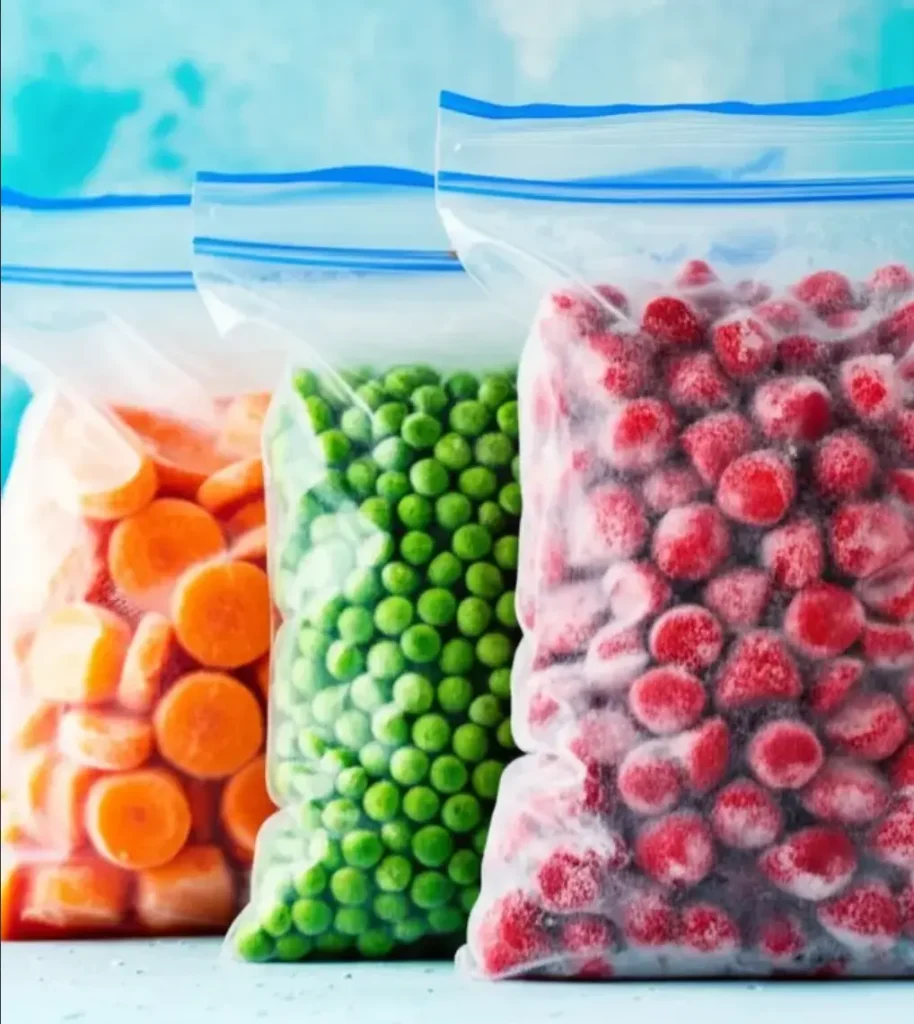
Consumers love the convenience of off-season fruits and vegetables. You need packaging that keeps them vibrant and nutritious. Because these products can lose color and texture if exposed to temperature swings, you should consider reliable materials like plastic pouches with resealable openings. This design ensures minimal air and moisture contact.
3.Ready-to-Eat Frozen Meals
The hustle of modern life boosts the demand for quick, convenient meals. Packaged meals must be easy to heat, safe for microwaves, and informative. Including clear heating instructions and nutritional facts on the box or pouch is essential. Such clarity reassures consumers about both food safety and simple meal preparation.

4.Frozen Desserts
Desserts like ice cream or sorbet require eye-catching designs to highlight indulgence and flavor variety. You also need to preserve taste and texture. Resealable lids and insulated containers help maintain product quality after multiple freezer visits. Consumers associate the dessert experience with luxury, so appealing packaging can encourage impulse buys.

5.Frozen Pizzas
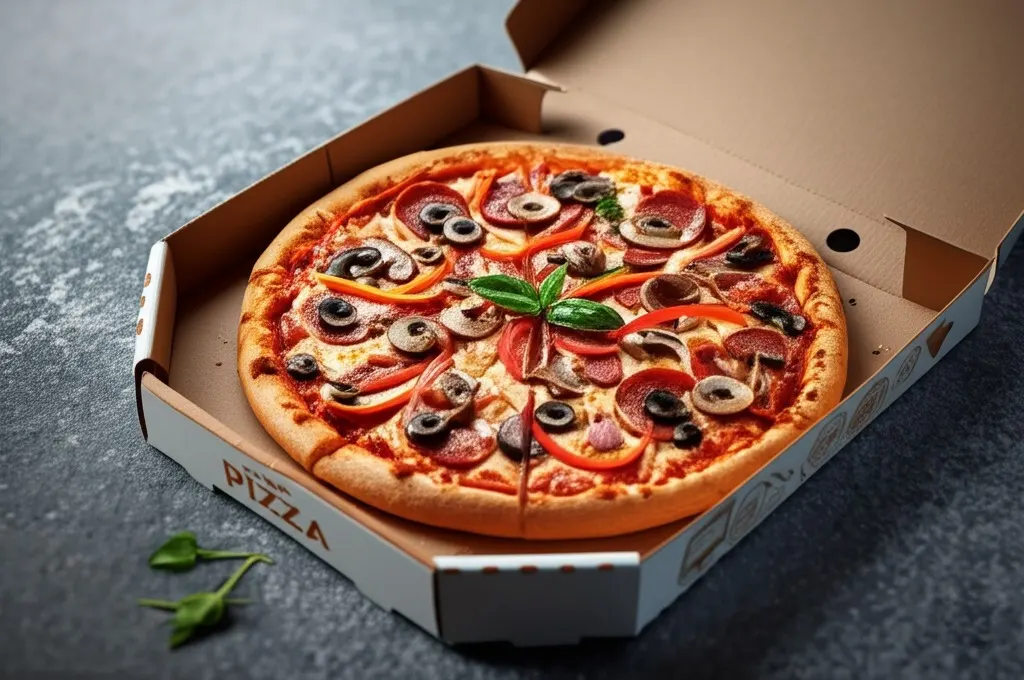
Many shoppers pick up frozen pizza for an easy dinner solution. To meet their expectations, you need to keep the dough fresh and toppings intact. A cardboard box combined with a protective film can shield the pizza from cold air. You also benefit from the large surface area of a pizza box, because it allows for clear branding and mouthwatering images.
6.Baked Goods and Dough
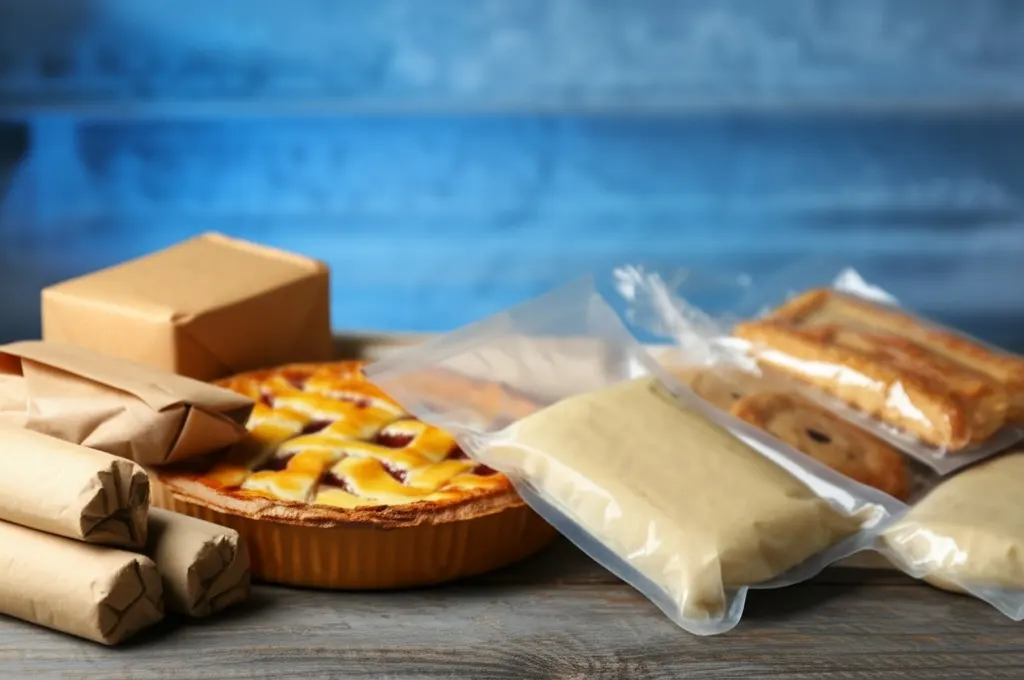
From pie crusts to cookie dough, these items need to retain their softness or flakiness. Wax-coated paper or plastic pouches prevent them from drying out or picking up freezer odors. Consumers expect a “freshly baked” taste, even after days or weeks in the freezer. Proper packaging seals in moisture to achieve that fresh result.
Knowing these categories helps you select the best materials for your frozen food product line.
Each type of product calls for different techniques to reduce food spoilage and maintain consistent quality.
3. The Best Packaging Materials for Your Frozen Food
Selecting the right packaging material is crucial.
Not every material works equally well for every type of frozen item.
Here are the top contenders, along with some insight into how they protect your products and extend storage life.
1.Plastic Films
Plastic films are flexible, lightweight, and excellent for ensuring a tight seal. They block moisture and air, which mitigates freezer burn. If you offer frozen meats, seafood, or small portions of produce, plastic films can be your go-to solution. They also accommodate vacuum sealing, which further safeguards product freshness.

2.PE Derivatives
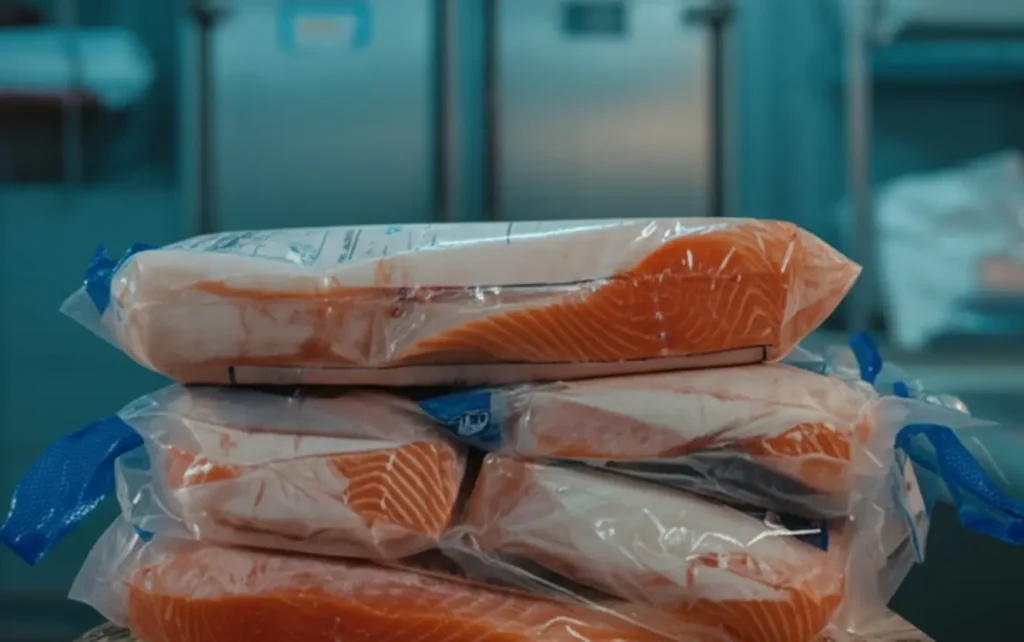
High-density polyethylene (HDPE) or low-density polyethylene (LDPE) are known for their high durability. These materials are popular because they resist tears and punctures in low temperatures. If you sell bulk seafood or other large protein portions, you should consider PE-based films or bags to protect your goods.
3.Paperboard and Cardboard
You see cardboard boxes frequently in the freezer aisle. They are easy to stack, which simplifies shipping and retail display. Plus, you can print brand logos and appetizing images on the boxes. Cardboard combines well with plastic or foil liners for improved moisture resistance. Consider cardboard for pizzas, full meal kits, or any product that benefits from a structured, flat package.

4.Tin Cans
Though not as common for ready-to-eat meals, tin cans still appear in certain segments. They are highly effective at keeping out light and air, which is beneficial for items like frozen fruits, vegetables, or condensed soups. They do limit visibility of the product, so consider whether your target customers prefer transparency.

5.Aluminum Foil
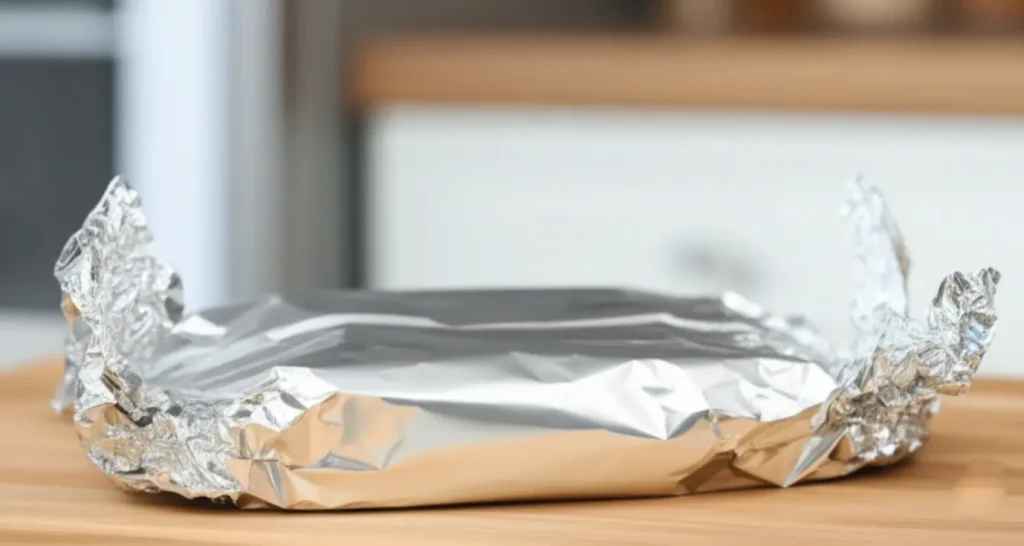
If you offer a product that goes directly from freezer to oven, aluminum foil is your friend. It provides excellent heat conduction and insulates food at the same time. You do need to design your foil packaging to prevent pinholes, which can allow air or water to seep through. Consider foil for baked goods or items like casseroles.
6.Wax-Coated Paper
Seafood and meat can sometimes benefit from wax-coated paper, especially if you want to avoid plastic packaging. Wax keeps moisture inside and prevents sogginess. It is also less likely to stick to the product, making it easier for consumers to unwrap and prepare your food.

7.Flexible Packaging (Pouches and Bags)
Flexible pouches with resealable zippers offer convenience and portion control. They also use space efficiently, which can reduce shipping costs. If you want to display the product itself, consider transparent windows. Frozen desserts, fruit blends, and snack items often do well in flexible pouches.

8.Rigid Plastic Containers
Rigid containers can showcase your product clearly and stand up to bumps during transport. If you sell something delicate like special ice cream flavors or fruit parfaits, a rigid container helps preserve form. Consumers often appreciate the security of a sturdy container.

4. Eight Factors to Consider When Selecting Frozen Food Packaging
Before you make the big decision, you should examine several factors to ensure your final choice aligns with your brand goals. These eight points will guide you:
1.Barrier Protection
Always ask: Does this package keep cold air, moisture, and contaminants out? You need to keep your food intact and appetizing. Strong barrier protection extends shelf life, leading to reduced returns and refunds.

2.Durability and Resistance to Temperature Changes
Your packaging will go through freezing, possibly partial thawing during transit, and various handling conditions. Make sure it can tolerate those temperature swings without cracking or warping.
3.Seal Integrity
A perfect seal blocks ice crystals from forming inside the package. It also ensures the product remains free from odors. If you are packaging ready-to-eat frozen meals, you definitely want a high-quality seal.
4.Microwave and Oven Safety
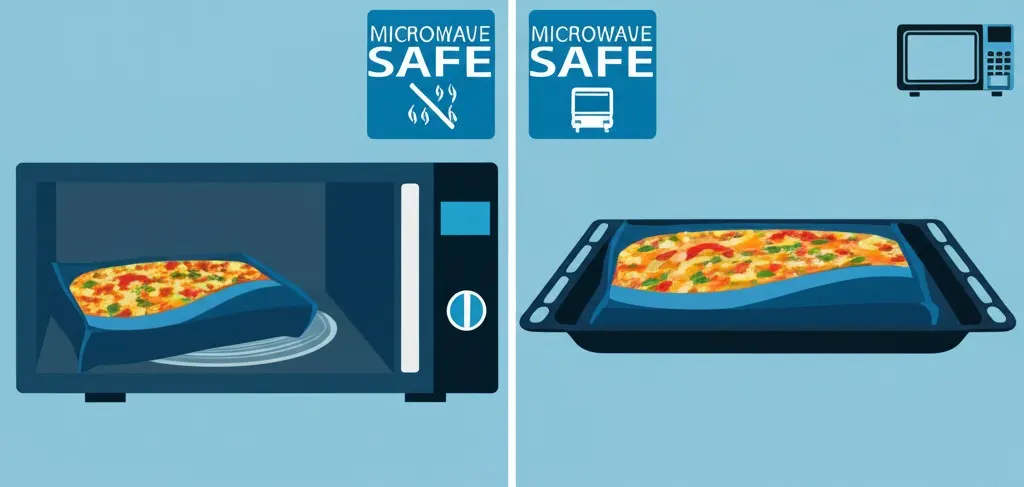
Consumers often heat their frozen food in microwaves. Some might even place it directly in the oven. If you offer such convenience, verify that your chosen material and design can safely handle these cooking methods. Provide clear guidelines on the packaging for added consumer trust.
5.Visibility and Aesthetics
Shoppers scan store shelves quickly. You need to capture their attention with clear branding and perhaps a window to showcase the food. Good graphic design elevates your brand identity and encourages impulse buys.
6.Consumer Convenience
Easy-open features, resealable zippers, and built-in pour spouts can make a big difference. When your packaging is convenient, consumers remember your brand and are more likely to come back for repeat purchases.

7.Cost-Effectiveness
Packaging is an investment. You want to stay within budget while retaining sufficient quality. Look for efficient production processes or materials that offer both protection and a reasonable price.
8.Eco-Friendliness
Many consumers today want brands to care for the environment. Consider biodegradable options, reduced plastic usage, or recyclable materials. When you invest in greener solutions, you enhance brand loyalty among eco-conscious buyers.

5. Eight Steps to Custom-Own Frozen Food Packaging
Now that you know the key materials and factors, how do you create a custom solution that aligns with your unique products? Here is a proven roadmap to guide you:
1. Define Your Packaging Requirements
Identify what types of items you plan to package. If you handle a variety of meats, pizzas, or desserts, each will have unique needs. Know if you need strong barrier protection or microwave compatibility, for instance.

2.Select a Packaging Manufacturer
Look for expertise in frozen food packaging. A knowledgeable partner can suggest the right plastic films, cardboard thickness, or other materials that match your exact goals. They will also guide you through cost calculations and regulatory requirements.

3.Choose the Design of the Package
Engage your creative team. Ask yourself: How should your brand name and logo appear? Which colors and fonts will catch the shopper’s eye in a busy aisle? Maybe you want a transparent window, so buyers can peek at the product’s color or toppings. This is where you combine practicality with visual flair.
4.Decide on the Packaging Material
Narrow down your choices based on your product categories. If you sell a variety of goods, you might end up selecting multiple material types. For instance, you could use flexible pouches for frozen fruit but cardboard boxes for pizza.
5.Evaluate Prototypes
Test your prototypes. Freeze them. Thaw them. Transport them. Watch for any distortions or moisture leaks. If a prototype does not hold up, refine it before large-scale production.
6.Consider the Unpacking Experience
You want consumers to feel delighted, not frustrated, when they open your product. Try easy-tear notches or resealable zippers. These thoughtful elements can elevate the overall perception of your brand.
7.Plan for Sustainability
Keep the environment in mind. Assess the carbon footprint of your packaging materials. Aim for recyclable or biodegradable components when possible. Your brand can then highlight its commitment to reducing waste.
8.Finalize and Launch
Once all tests confirm performance, move ahead with full production. Market your product’s improved packaging. Educate retailers and end customers about the benefits, such as guaranteed freshness or oven-ready convenience.
6. Conclusion
You now have a solid overview of how to effectively approach frozen food packaging. By understanding the importance of barrier protection, smart materials, and consumer-friendly design, you can reduce food spoilage and build loyalty among discerning customers. In this competitive landscape, the right packaging can set your brand apart while enhancing food safety, convenience, and sustainability.
Furthermore, when you follow the eight-step roadmap, you transform your packaging from a mere commodity to a strategic marketing advantage. Every detail, from the initial design to the final launch, can reinforce your brand identity and improve your reputation in the marketplace.
Remember: You are not just wrapping a product. You are creating an experience. With well-thought-out frozen food packaging, you reassure buyers that their purchase is safe, tasty, and worth every penny. Start your packaging transformation now, and watch your frozen food brand thrive.
“Your packaging is your brand’s handshake. Make it strong, inviting, and memorable.”
By taking these tips to heart, you empower your business to soar in the freezer aisle. More importantly, you meet and even surpass customer expectations. In a world where convenience meets quality, your packaging stands as an influential factor that helps shoppers pick your product repeatedly.