

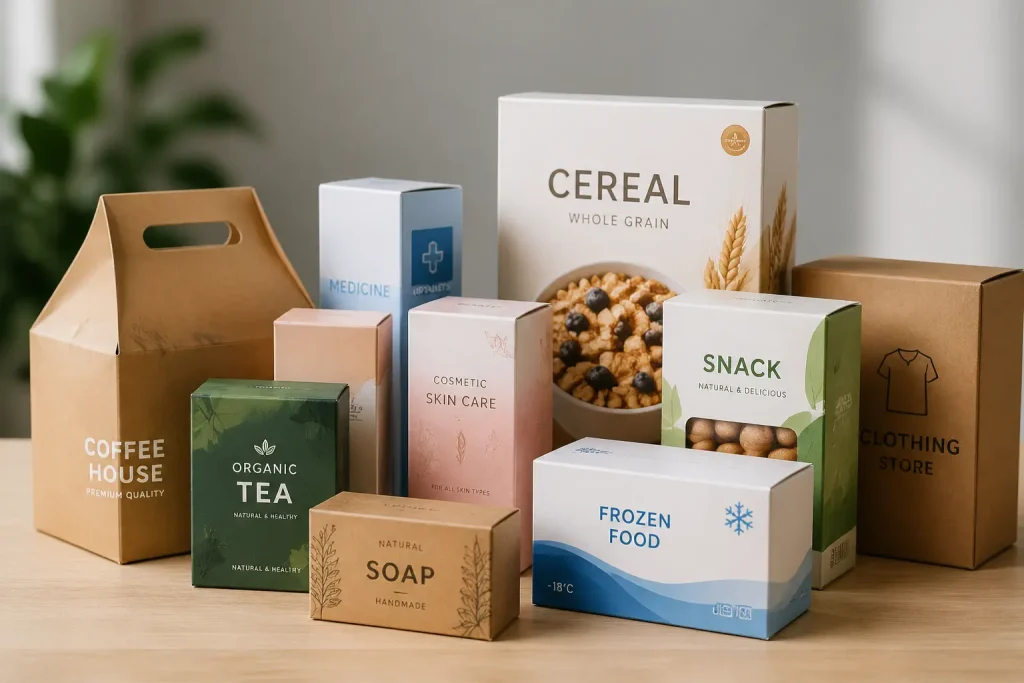
Paperboard is an essential material in modern packaging and plays a vital role in the production of cartons, cartons and various other types of packaging. It is a versatile, sustainable and cost-effective solution used in a wide range of different industries such as food and beverage, pharmaceuticals, cosmetics and consumer goods. This comprehensive guide will cover the definition, types, production process, advantages and applications of paperboard.
Understanding Paperboard
Paperboard, also known as cardboard, is a thick, paper-based material generally thicker than paper (typically over 0.3 mm). It is characterized by its sturdy and durable nature, making it an ideal choice for packaging and other industrial uses. Unlike regular paper, which is flexible and lightweight, paperboard offers rigidity and structural integrity, capable of protecting products during storage and transportation.
Types of Paperboard
Paperboard comes in various types, each suited to specific applications based on its properties and manufacturing process. The primary types include:
Solid Bleached Sulfate (SBS)

SBS is a premium grade of paperboard, made from virgin wood pulp that has been bleached to achieve a high level of whiteness and purity. It is commonly used in packaging for high-end products, such as cosmetics, pharmaceuticals, and luxury goods, due to its excellent print quality and visual appeal.
Coated Unbleached Kraft (CUK)

CUK, also known as Kraft board, is made from unbleached virgin wood pulp. It is naturally brown and is often coated with a clay or polymer layer to enhance its printability and barrier properties. CUK is favored for its strength and durability, making it suitable for heavy-duty packaging, such as beverage carriers and frozen food packaging.
Coated Recycled Board (CRB)

CRB is made from recycled paper and is usually coated with a layer to improve its surface properties. It is an eco-friendly option, widely used for packaging everyday consumer products like cereals, snacks, and household items. CRB offers a balance between cost-effectiveness and sustainability.
Folding Boxboard (FBB)

FBB, also known as carton board, is a multilayered paperboard made from mechanical and chemical pulp. It typically has a bleached top layer, which provides a smooth surface for printing. FBB is commonly used for packaging food, confectionery, and pharmaceuticals due to its lightweight yet sturdy nature.
The Production Process of Paperboard
The production of paperboard involves several stages, from raw material selection to the final product. Understanding this process helps in appreciating the complexity and precision required to produce high-quality paperboard.

Raw Material Preparation
The primary raw materials for paperboard production are wood fibers, either virgin or recycled. Virgin fibers are sourced from sustainably managed forests, while recycled fibers come from post-consumer or post-industrial paper waste. The fibers are pulped, cleaned, and refined to achieve the desired quality and consistency.
Pulping Process
In the pulping stage, the raw materials are converted into pulp through mechanical or chemical methods. Mechanical pulping involves grinding wood chips into fibers, while chemical pulping uses chemicals to dissolve the lignin, separating the fibers. The resulting pulp is then washed and screened to remove impurities.
Sheet Formation
The pulp is diluted with water and spread onto a moving wire mesh, forming a continuous sheet. The water is drained away, and the sheet is pressed to remove excess moisture. This stage is critical in determining the paperboard’s thickness and density.
Drying and Finishing
The damp sheet is passed through a series of heated rollers to dry it thoroughly. Depending on the desired end product, the paperboard may undergo additional processes, such as coating, laminating, or calendaring, to enhance its surface properties, strength, and printability.
Cutting and Packaging
Once the paperboard is produced, it is cut into sheets or rolls of specific sizes. The final products are inspected for quality and then packaged for shipment to various industries for conversion into packaging materials.
Benefits of Paperboard
Paperboard offers numerous advantages, making it a preferred choice in the packaging industry. Some of the key benefits include:
Sustainability
Paperboard is an eco-friendly material, often made from renewable resources and recycled content. It is biodegradable and recyclable, contributing to a circular economy and reducing environmental impact.
Versatility
The material’s versatility allows it to be used for a wide range of applications, from packaging and printing to crafting and construction. Its ability to be easily cut, folded, and printed on makes it ideal for various creative and functional uses.
Cost-Effectiveness
Compared to other packaging materials like plastic and metal, paperboard is relatively inexpensive to produce and transport. Its lightweight nature also reduces shipping costs, making it a cost-effective solution for businesses.
Printability
Paperboard’s smooth surface and high print quality make it an excellent medium for branding and marketing. It can be easily printed with vibrant colors and intricate designs, helping products stand out on the shelves.
Durability
Despite its lightweight nature, paperboard is strong and durable, providing excellent protection for products during storage and transportation. Its rigidity helps maintain the integrity of the packaged items, reducing the risk of damage.
Applications of Paperboard
Paperboard’s unique properties make it suitable for a wide range of applications across various industries. Some of the common uses include:
Food and Beverage Packaging
Paperboard is extensively used in the food and beverage industry for packaging products such as cereals, snacks, frozen foods, and beverages. Its ability to provide a barrier against moisture and contaminants ensures the freshness and safety of food products.
Pharmaceutical Packaging
In the pharmaceutical industry, paperboard is used for packaging medicines, medical devices, and health supplements. Its printability allows for clear labeling and branding, while its durability protects the contents from damage.
Cosmetic and Personal Care Packaging
Paperboard is a popular choice for packaging cosmetics and personal care products like skincare creams, perfumes, and shampoos. Its premium appearance and print quality enhance the product’s appeal and brand image.
Consumer Goods Packaging
Many consumer goods, such as electronics, toys, and household items, are packaged in paperboard due to its protective properties and cost-effectiveness. It provides an excellent medium for displaying product information and branding.
Retail Displays and Point-of-Sale Materials
Paperboard is also used in creating retail displays, point-of-sale materials, and promotional items. Its lightweight nature and printability make it ideal for creating eye-catching displays that attract customers‘ attention.
The Future of Paperboard
As sustainability becomes an increasingly important consideration in the packaging industry, the future of paperboard looks promising. Innovations in production processes and materials are expected to enhance the properties and performance of paperboard, making it an even more attractive option for various applications.
Sustainable Practices
The push towards sustainability will drive the adoption of more environmentally friendly practices in paperboard production. This includes using recycled content, improving energy efficiency, and reducing waste. The industry is also exploring alternative fibers, such as agricultural residues and hemp, to reduce reliance on wood pulp.
Advanced Coatings and Treatments
Developments in coatings and treatments will further enhance the barrier properties and functionality of paperboard. Innovations like biodegradable coatings and water-resistant treatments will expand the range of applications, particularly in the food and beverage industry.
Circular Economy Initiatives
The shift towards a circular economy will promote the use of paperboard in closed-loop systems, where materials are continuously reused and recycled. This approach will reduce waste and environmental impact, aligning with global sustainability goals.


