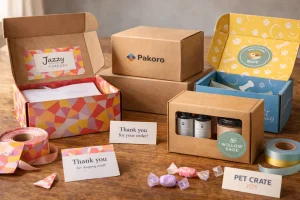
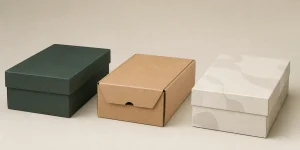
As a food and beverage entrepreneur, the box, pouch or jar you send into the world is often your first handshake with a customer.
It must safeguard what’s inside and tell a story about your brand at the same time.
In a landscape where direct‑to‑consumer (DTC) brands are marching into retail and legacy brands are learning to ship directly to doorsteps, you can’t afford to treat protection and memorability as separate objectives.
Instead, you need a unified approach that is safe, sustainable and unforgettable.
Let’s explore how to design food packaging and why Pakoro is the partner to help you get there.
Why Memorable & Protective Packaging Matters
Consumers notice more than you might think.
Attractive packaging grabs attention, but it also communicates quality, safety and care.
When you’re selling across retail and DTC channels, your packaging must be versatile.
You want a design that looks premium on a store shelf yet survives a delivery van and doorstep drop.
The team at Pakoro refers to this idea as designing for both channels at once.
At Pakoro, we call it common sense.
Beyond channel flexibility, packaging needs to reassure.
People are mindful of food safety, sustainability and authenticity, and they’ll quickly abandon brands that appear careless or disingenuous.
Crafting packaging that conveys your values instantly makes customers more likely to trust and remember you.
Protecting Your Product: Safety First
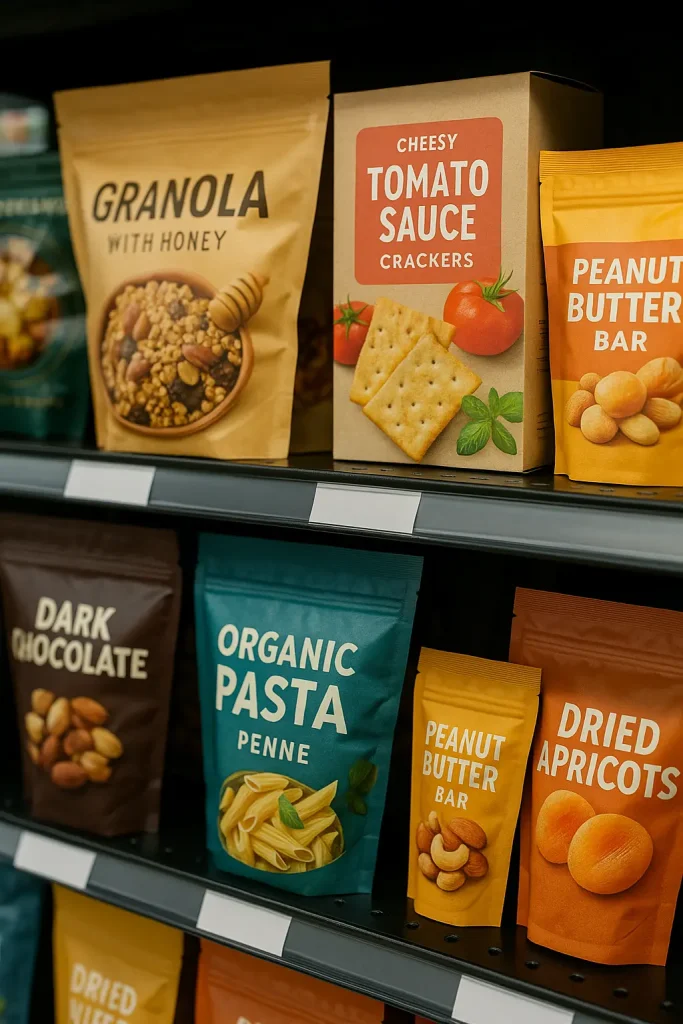
Protection begins with the basics: keeping contaminants out and freshness in.
According to Pakoro, the original purpose of packaging hasn’t disappeared—food still needs a barrier.
Consider the following protective features:
- Tamper‑evident designs such as sealed lids or built‑in straw covers deter interference and reassure customers that your product is safe.
- Moisture barriers prevent humidity from ruining products like nuts, crackers or cereals.
- Microbe prevention is critical because pathogens like Listeria or Salmonella can thrive in poorly sealed packaging.
- Chemical safety matters too. Pakoro warns that chemicals such as PFAS—often used in films and coatings—may soon be restricted or banned. Choosing coatings that don’t leach harmful substances protects your customers and keeps you ahead of regulations.
For a brand like yours, that means testing and selecting materials that resist punctures, maintain a tight seal, and comply with emerging food‑contact standards.
When Pakoro designs packaging, we look at drop tests, vibration tests and temperature cycles to ensure your product arrives intact.
Minimising Waste and Optimising Transportation
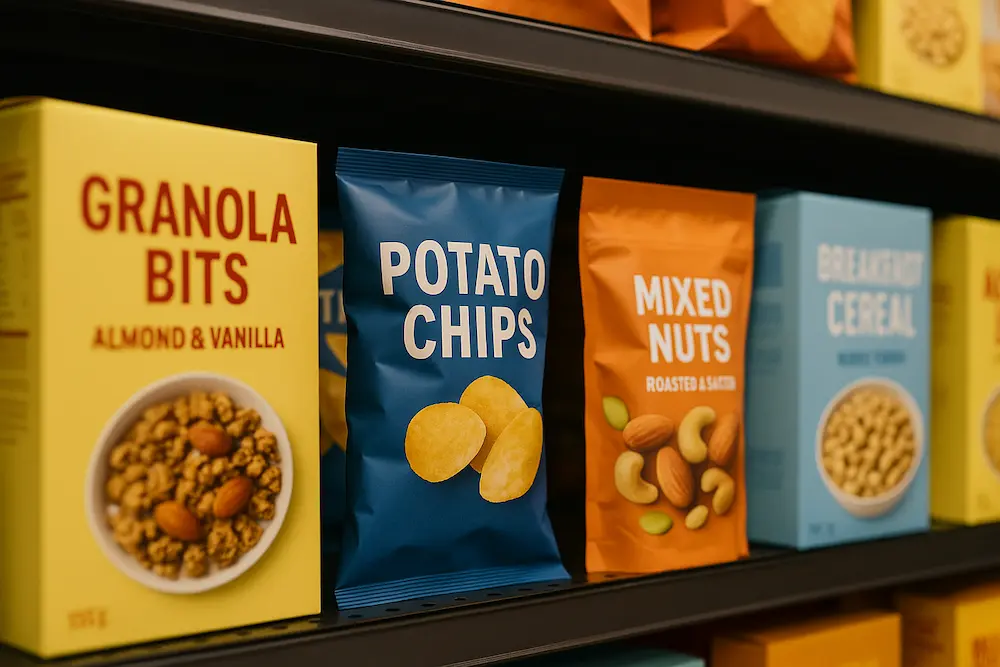
Food waste doesn’t just harm your margins—it contributes massively to greenhouse gas emissions.
Poorly designed packaging leads to spills, stale products and half‑eaten portions thrown away.
Seals should stay tight, lids should remain closed, and portion sizes should be realistic.
Resealable bags and dividers encourage consumers to finish the product instead of discarding it.
Transportation adds another layer of complexity.
Packages must be robust enough to survive trucking, shipping and warehouse handling without adding unnecessary weight.
Pakoro notes that the main goal is to get products from A to B without damage.
Light materials reduce freight costs, but they must still cushion and protect.
Designing stackable shapes and considering outer cartons makes life easier for forklift drivers and warehouse staff.
Materials & Sustainability: Building Green Without Compromise

Your choice of material speaks volumes about your brand’s values.
Traditional options include plastic, glass, tin and paper, but innovative brands are exploring monomaterials and biobased alternatives.
Mono‑material packaging—where the entire pack uses one material—improves recyclability because customers and recyclers don’t need to separate different layers.
However, there is no one‑size‑fits‑all solution.
Tetrapak, for instance, combines paper and aluminum but often isn’t accessible to smaller brands.
Instead of being forced into plastic or glass, you can explore new biomaterials such as PLA or seaweed‑based films.
They may not yet be widely adopted, but their scalability is improving.
Inks and coatings deserve equal attention.
Mineral oils used in many printing inks have been banned in parts of Europe due to health risks.
Switching to soy‑based or water‑based inks protects both your consumers and your brand reputation.
Deposit return schemes—successful in Germany and parts of the UK—demonstrate that reusable packaging can work.
While these systems require cross‑sector cooperation, they illustrate the potential for circular models that reduce waste and build loyalty.
Usability & Experience: Designing for Real Life

Good packaging isn’t just strong; it’s user‑friendly.
Brand strategist Nate Jiang points out that how a customer interacts with your packaging can make or break the experience.
Ask yourself these questions:
- Can a hand comfortably fit into the bag or box?
- Will the package stand upright on a desk so snacks don’t spill?
- Does it open easily, perhaps with a tear strip or zipper, and reseal securely?
- How many portions will a typical consumer eat in one sitting? If your container is oversized, they may throw out unused food.
You might even reconsider traditional formats.
For example, flour is usually sold in kraft paper bags, but could a tin serve users better?
Balancing cost, convenience and consumer habits helps you choose the right format.
When Pakoro engineers packaging, we prototype openings, reseal features and ergonomics to ensure your product fits seamlessly into daily life.
Branding & Storytelling: Your Package Speaks Before You Do
You need to define why your product matters and let your packaging reflect that authenticity.
Colour, typography and illustrations must work together to convey flavour, culture and positioning.
The goal is findability—making sure your loyal customers can spot you instantly on a crowded shelf.
Trends come and go.
In the 1990s, green signaled health; today, kraft paper tones imply natural or artisanal qualities.
Authentic storytelling goes beyond pasting trendy colours onto your box.
It means crafting a narrative that resonates with your audience and remains consistent across retail and online channels.
For DTC, you have more room to play with artwork on shipping boxes, whereas retail still focuses mainly on grabbing attention.
Pakoro can help you strike this balance by creating a unified system that works for store shelves and doorstep deliveries.
Future‑Proof & Integrated Design
One thing is certain: change.
You may be a pure DTC brand today, but if you enter retail tomorrow you shouldn’t have to redesign everything.
Melody at Pakoro advises designing for both channels from the start.
Pakoro follows the same philosophy.
By planning packaging systems that adapt to new regulations—such as potential bans on PFAS or mineral oil inks—you reduce costly pivots down the road.
Future‑proofing also means staying agile with materials.
We keep an eye on emerging biomaterials and eco‑friendly options so that when they become commercially viable, we can quickly incorporate them into your packaging.
And by using monomaterials and modular designs, we make recycling and refurbishment simpler.
Implementation Framework: From Concept to Shelf
Turning an idea into a finished package requires a structured process. Here is a framework Pakoro uses to take you from concept to shelf:
- Define requirements – Start by evaluating your product’s physical needs (fragility, shelf life), your sales channels (retail, DTC or both) and your sustainability goals.
- Assess risks – Conduct microbial, chemical and mechanical risk analyses. Identify potential contamination sources, breakage risks and regulatory constraints.
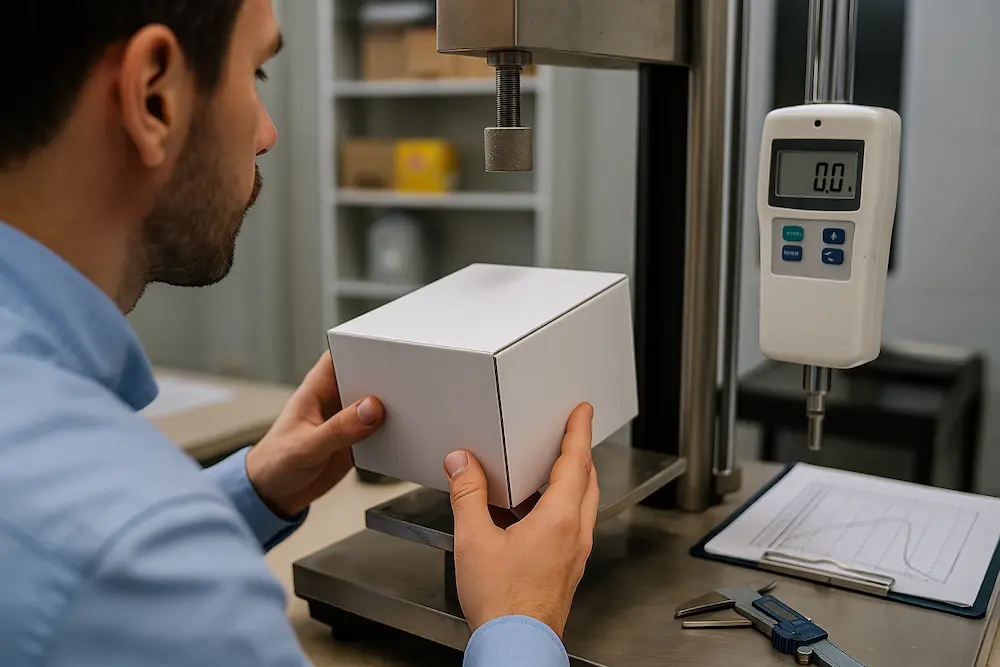
- Prototype and test – Create prototypes and run drop, vibration, seal integrity and temperature tests. Simulate transit scenarios and check compatibility with outer cartons.
- Evaluate sustainability – Consider material selection, recyclability, mono‑material opportunities and overall life‑cycle impact. Ensure inks and coatings comply with current and upcoming regulations.
- Prepare for production – Validate tooling, printing, assembly and quality control. Ensure supply chain partners can meet your specifications at scale.
This systematic approach minimises unpleasant surprises and ensures that your packaging performs in the real world.
Measuring Success: Metrics That Matter
Packaging isn’t “set it and forget it.” You need to track performance to refine your design and demonstrate ROI. Consider monitoring:
- Breakage and return rates – Lower breakage means better protection and happier customers.
- Shipping and storage costs – Lightweight, stackable packaging reduces freight expenses.
- Waste reduction – Measure how resealable designs and right‑sizing reduce product wastage.
- Customer experience – Gather feedback on ease of opening, portion control and overall satisfaction.
- Sustainability impact – Track plastic reduction, recyclability and emissions saved through material choices.
Conclusion & Next Steps
Creating memorable, protective food packaging is both an art and a science.
You need to balance aesthetics, safety, sustainability and cost while delivering a user experience that delights.
By focusing on protective features, reducing waste, choosing sustainable materials, designing for usability and telling a genuine story, you can turn your packaging into a competitive advantage.
At Pakoro, our packaging experts love turning challenges into solutions. Whether you’re launching a new product or reimagining an existing package for a new channel, we’re here to help.