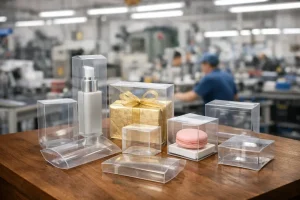
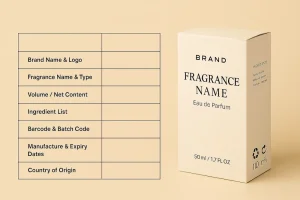
A box sleeve is a wrap‑around cover that fits over your existing box. When the sleeve covers the entire box it’s known as a sleeve box; when it covers only the middle section it’s called a belly band. You can slide the sleeve on and off without damaging the package, making it perfect for reusable or gift presentations.
Packaging sleeves are usually made from thin card stock, which keeps them lightweight and affordable. However, you can also find sleeves made from paper, plastic, thicker cardboard or even fabric. Their main benefit is the ability to personalise a plain brown box with brand artwork, logos and product information. Some sleeves even add an extra layer of protection, particularly for luxury items.
Exploring Sleeve Styles: 8 Popular Types
Sleeve packaging isn’t one‑size‑fits‑all. Depending on your product and branding goals, you can choose from several styles:
Full Sleeve
Full sleeves are the most common type of sleeve packaging, where the sleeve completely covers the box. This type offers maximum surface area for branding and design, making it an ideal choice for products that need to stand out on retail shelves.
Half Sleeve / Belly Band

A half sleeve, often referred to as a belly band, covers just a portion of the box. This minimalistic design is cost-effective and works well for products that don’t require full coverage but still want a sleek, branded look. Belly bands are also great for adding a touch of branding without overwhelming the product.
Die-Cut Sleeve
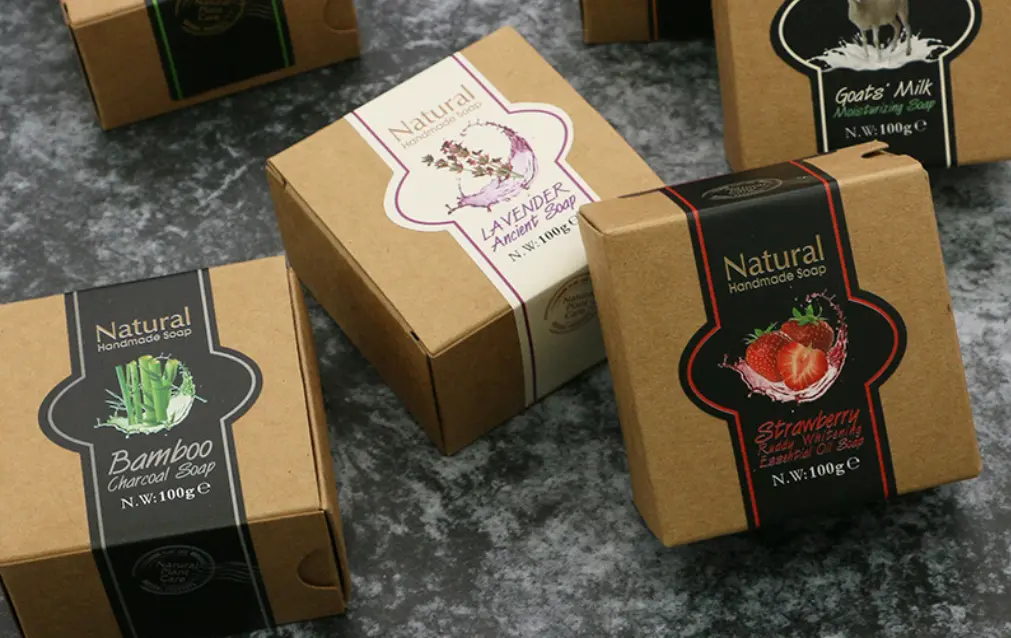
Die-cut sleeves are designed to have unique shapes that enhance the visual appeal of the packaging. They are perfect for adding a personalized touch to products, especially for those in the high-end or luxury market. These sleeves allow for creative design choices, such as windows or intricate cutouts.
Tray & Sleeve
Tray and sleeve packaging involves a sturdy base (tray) that holds the product, while the sleeve slides over it. This type of packaging is often used for high-end products, such as cosmetics and gift items. The combination of a tray and sleeve creates a premium unboxing experience.
Window Cut-Out Sleeve
Window cut-out sleeves have a clear opening that allows customers to view the product inside the box. This style works well for items that benefit from visibility, such as food packaging, candles, or small accessories. The transparent window also gives the product a more attractive and approachable appearance.
Flexible Plastic Sleeve
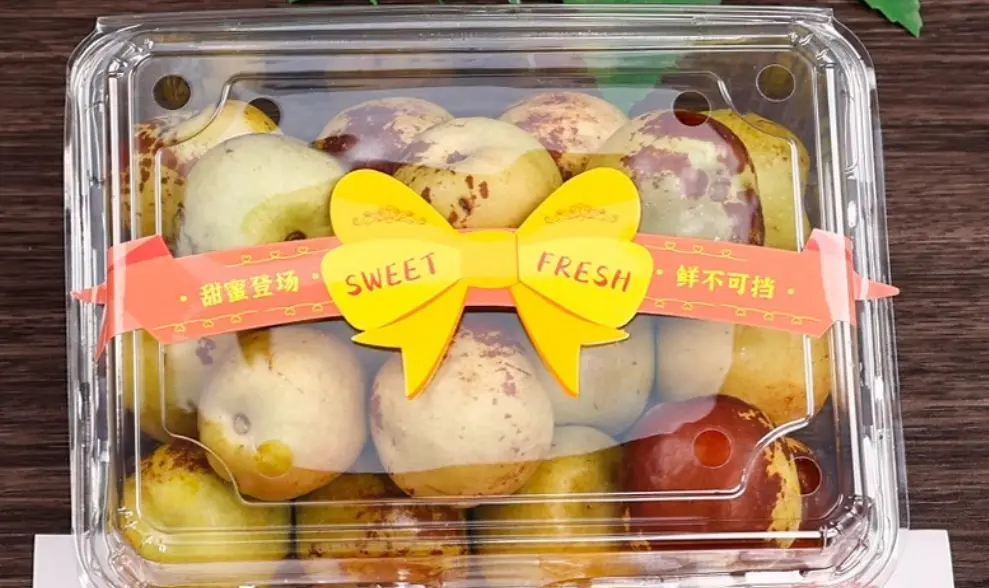
Flexible plastic sleeves are made from plastic material, offering durability and moisture resistance. This type of packaging is ideal for products that require protection from environmental factors, such as food or beverages. Flexible sleeves can be printed on and tailored to fit a variety of shapes and sizes.
Adhesive Sleeve
Adhesive sleeves have a self-adhesive backing that sticks directly to the box. This type of packaging is simple and efficient, offering a clean, professional look. It is often used for food packaging or limited-edition product launches, where fast assembly and minimal waste are essential.
Peel & Seal Sleeve
Peel & seal sleeves are designed with a removable adhesive that allows customers to open the package without damaging the product. This style is often used for gift packaging or items that need to remain sealed until they reach the customer. The peelable nature adds an element of convenience and keeps products secure.
Each sleeve style has its own strengths and challenges, so choose based on your product, budget and desired customer experience.
Box Sleeves vs. Custom Printed Boxes: A Practical Comparison

You might wonder whether you should invest in fully printed boxes instead of sleeves. Here’s a quick comparison to help you decide:
- Material usage: Fully printed boxes use more material and often create waste during production. Sleeves are flat and rectangular, so they print efficiently.
- Cost: Printing on thick cardboard for full boxes is expensive. Sleeves are thinner and cheaper to produce.
- Minimum order quantity (MOQ): Complex box designs often require high MOQs, making them unsuitable for small businesses. Sleeves allow short runs and seasonal variations.
- Use cases: Box sleeves are perfect for promotional or seasonal packaging, budget branding and flexible container shapes. Custom printed boxes are best for large‑volume orders, luxury goods and when you need bespoke dimensions.
A balanced strategy is to use generic boxes for structural strength and add sleeves for branding. Once your business grows and you can commit to higher quantities, you can explore fully printed boxes.
Why Choose Sleeve Packaging?

Businesses choose sleeves because they offer versatility, flexibility and cost savings:
- Versatile packaging: Sleeves can adapt to almost any product – heavy items, liquid containers or budget products. You can adjust the size and design without changing your base packaging.
- Flexible procurement: Box sleeves have low minimum order quantities, so small businesses can experiment with new designs or limited editions.
- Cost effectiveness: Printing and assembly costs for sleeves are much lower than for full boxes. If a design needs to be updated, you only replace the sleeve, not the entire box.
These benefits make sleeve packaging a smart choice for start‑ups and established brands alike.
Design & Application Tips for Impactful Branding
To maximise your brand impact, keep these design tips in mind:
- Match the sleeve to your product: Luxury goods deserve premium finishes, fresh products benefit from clear windows and eco‑friendly items look best in paper‑based sleeves.
- Balance colour and readability: Choose colours and fonts that make your logo and product name easy to read. Use colour wheels or professional templates to achieve harmonious combinations.
- Minimalist or bold design: Sometimes less is more. Minimalist sleeves with high‑quality materials can look luxurious, while detailed information is essential for health and nutrition products.
- Promote your brand: Use the sleeve space to advertise your services, cross‑sell related products or showcase your sustainability initiatives.
- Check file formats: Before sending your design to print, ensure you use high‑resolution formats like PSD, TIFF or AI to retain detail.
Thinking through these details ensures your sleeves look professional and align with your brand identity.
How Packaging Manufacturers Can Use Sleeve Packaging

If you run a packaging business like Pakoro, sleeves offer several strategic advantages:
- Leverage existing box sizes: Use standard boxes as the base and customise them with different sleeves for various clients. This reduces inventory and allows you to serve multiple brands efficiently.
- Offer seasonal or promotional runs: Create limited‑edition sleeves for holidays, promotions or product launches without committing to new box designs. This service is valuable to clients who need flexibility.
- Bundle products creatively: Belly bands and window sleeves are perfect for bundling multiple items or highlighting specific features, adding value to ordinary packaging.
- Sustainable options: Encourage clients to choose paper‑based sleeves or recyclable materials. Many consumers appreciate eco‑friendly packaging.
By integrating sleeves into your product line, you can meet your customers’ needs while optimising costs and reducing waste.
Conclusion & Next Steps
Box sleeve packaging is a simple but powerful way to enhance your brand. It lets you personalise your products, test new designs and minimise waste – all at a fraction of the cost of fully printed boxes. Whether you choose a classic sleeve, a belly band, a die‑cut design or an adhesive bottle label, sleeves open up endless possibilities.