Introduction to Frustration-Free Packaging
You might be asking, “Why should I, as an e-commerce seller, care about Frustration-Free Packaging?”
This is a fair question. You need to juggle costs, logistics, brand perception, and customer satisfaction.
When you hear about Amazon Certified Frustration-Free Packaging for the first time, it can sound a bit daunting.
Yet it doesn’t have to be complicated.
Frustration-Free Packaging (FFP) was launched by Amazon in 2008.
This program aims to reduce bulky or annoying packaging, save on shipping costs, and boost consumer happiness.
The logic is simple.
If you provide protective, easy-to-open, recyclable, and minimal packaging, you not only please your customers but also cut back on both costs and environmental impact.
Purpose and Origin of the Program
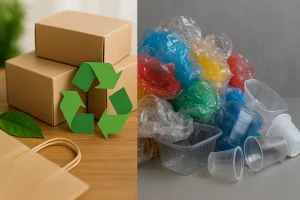
You know that feeling when you wrestle with thick plastic clamshells or layers of twist ties just to access your new product.
Amazon saw that frustration and decided to take action.
The concept behind Frustration-Free Packaging is to remove all unnecessary barriers between the product and the customer.
This packaging style is also aligned with modern sustainable values.
Customers are more eco-conscious than ever.
By designing packaging with easy recyclability in mind,
Amazon has tapped into an approach that appeals to a growing audience of green-minded shoppers.
Benefits for Businesses and Consumers
- Improved Customer Satisfaction: Packaging is the first physical interaction a buyer has with your brand’s product. When it’s easy to open and reduces clutter, you gain an instant positive impression.
- Reduced Costs and Returns: By optimizing your packaging, you create a shipping container that weighs less and fits better in trucks, which lowers transportation costs. And, because the product is more secure, it arrives in perfect condition, reducing return rates.
- Sustainable Brand Image: Many consumers want to shop with companies that care about the planet. Frustration-Free Packaging enables you to showcase your commitment to sustainability.
By now, you’re probably seeing how crucial the Amazon Certified Frustration-Free Packaging program can be.
Let’s move deeper into the details so you fully grasp how it can transform your packaging strategy.
2. Definition and Features of FFP
When you hear the term “Frustration-Free Packaging,” you might be thinking it’s just a fancy label for basic boxes.
However, there is much more to it.
Frustration-Free Packaging has specific design rules. It must be easy to open.
It must also protect the product effectively during shipping.
Most importantly, it must minimize waste.
Recyclable and Minimal Packaging
You want your packaging to be both earth-friendly and practical.
Frustration-Free Packaging insists on using materials that are 100% recyclable.
This means you should avoid plastic inserts, fillers, or tape that municipal recycling programs might reject.
For instance, many FFP solutions rely on corrugated cardboard with minimal printing or ink.
The structure is still robust yet simpler to discard responsibly.

Same Product Content as Traditional Packaging
Another major concern you might have is, “Do I lose any accessories or promotional materials inside the box?”
The answer is no.
Your product in Certified Frustration-Free Packaging should come with all the same items and instructions as standard retail packaging.
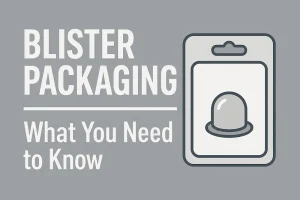
The difference lies in how you arrange these items. Instead of using adhesives, blister packs, or plastic trays, you’d rely on more straightforward cardboard inserts.
That way, the entire unboxing process becomes fluid and frustration-free.
3. E-Commerce and Packaging Waste
Many consumers now shop online for nearly everything.
This has caused a surge in e-commerce packaging.
However, the convenience of shopping from home often comes with a sea of cardboard boxes, bubble wrap, and plastic mailers.
You’ve probably seen it yourself—some items arrive in a box within a box, padded with excessive air pillows.
This practice leads to mounting waste.

Packaging Waste Issues in E-Commerce
If your customers must wrestle with multiple layers of boxes or excessive bubble wrap, they feel annoyed.
Worse, they might start viewing your brand as wasteful.
When so many orders are placed daily, think about how quickly packaging garbage can pile up in landfills.
That’s a surefire way to lose favor among eco-conscious shoppers.
Amazon’s Efforts and Shift to SIOC (Ships in Own Container)
Amazon has tackled the packaging waste problem head-on by introducing Ships in Own Container (SIOC).
This strategy ensures that products arrive in the manufacturer’s packaging alone, without an Amazon overbox.
By doing so, Amazon eliminates the redundant step of placing an already boxed product into a second box.
Given Amazon ships roughly 7 billion packages a year, switching to SIOC can cut enormous amounts of waste.
You can tap into these innovations too.
Adapting your product packaging for SIOC often means improved logistics, lower carbon footprints, and a more gratifying unboxing experience for customers.
4. FFP Guidelines
To achieve Amazon Certified Frustration-Free Packaging, you need to follow certain guidelines.
These are not just for show.
They ensure that your product arrives without damage, that your packaging is straightforward, and that you reduce overall waste.
Protective and Cost-Effective Packaging
Your packaging must be sturdy enough to handle transport bumps and stacking in fulfillment centers.
At the same time, you want the design to be cost-effective.
You likely don’t want to overspend on fancy prints or finishing that won’t help protect the product.
Key Points:
- SIOC Ready: Can your product ship without extra protection or an overbox?
- Labels: Are the barcodes and regulatory notices clear for distribution centers?
- Space Efficiency: Is the packaging sized to fit the product snugly, limiting void space?
By addressing these details, you create a packaging structure that can handle typical warehouse and shipping environments.
This reduces damage rates, speeds up handling, and ensures your shipping cost is as low as possible.
Easy Unboxing and Waste Reduction Principles
“Frustration-Free” implies the customer should open their order without scissors, knives, or a fight with plastic ties.
Aim for simple tear strips or easy-pull tabs whenever possible.
If you can design a packaging layout where everything can be pulled out smoothly in under 120 seconds, that’s even better.
The 120-second rule is a guiding standard that Amazon references.
Keeping the unboxing process simple can directly lead to more positive reviews and fewer returns due to accidental damage caused by tearing open the package.
Furthermore, cutting out unnecessary filler materials—like foam peanuts or complicated plastic moldings—reduces your environmental impact.
Consider using cardboard inserts or molded pulp trays, which are curbside recyclable.
When customers see that you’ve prioritized green solutions, they often repay you with loyalty and repeat purchases.

5. Impact on Amazon
Amazon invests heavily in streamlining packaging because it benefits both the planet and their profit margins.
Over recent years, Amazon has recorded impressive reductions in both packaging weight and shipping costs.
Reduction in Packaging Weight and Waste
Through Frustration-Free Packaging standards, Amazon reduced overall packaging weight by 36% and eliminated over 1 million tons of packaging material.
This monumental shift took place over about six years.
That’s like saving entire forests from pointless waste.
For you, these savings translate into improved shipping efficiency and smaller environmental footprints.
Financial and Environmental Benefits
When you use less packaging, you also save on raw material costs.
Moreover, every ounce of saved weight reduces transport costs, especially if you distribute products globally.
And on the environmental front, you’re contributing fewer materials to landfills.
This approach resonates with consumers who prefer eco-friendly businesses.
By highlighting your Frustration-Free Packaging, you can differentiate yourself from competitors who are stuck in outdated, bulky packaging methods.
6. Why Businesses Need FFP Certification
You might wonder if going through the trouble of getting certified is worth it.
In short, the answer is a resounding “Yes!” Achieving Amazon Certified Frustration-Free Packaging goes beyond the feel-good notion of sustainability.
It can materially boost your business.

Increased Sales and Visibility
Amazon rewards products that follow its guidelines.
By obtaining FFP certification, you show Amazon’s algorithms that your items meet high standards.
That often leads to better search placements on Amazon’s platform. Higher visibility naturally translates to more clicks and, ultimately, more sales.
Plus, customers who see the official Frustration-Free Packaging logo know they’re getting a hassle-free unboxing experience.
That brand trust is invaluable.
Lower Shipping Costs and Fewer Returns
Reduced packaging weight means you pay less in shipping fees.
Also, fewer items get damaged if your packaging is robust enough to endure the supply chain.
Eliminating damage drastically cuts your rate of returns.
Every time a product is returned, you absorb shipping, handling, and restocking costs.
By getting it right the first time, you maintain a healthier profit margin.
Enhanced Customer Experience and Brand Image
Customers who enjoy easy unboxing experiences are more likely to leave glowing reviews.
When someone opens your package without fuss, they feel satisfied—maybe even impressed.
They might share their positive experience on social media or mention it to friends.
This word-of-mouth marketing can be more potent than any ad you could ever pay for.
Strengthening Your Sustainability Story
Many brands tout their green initiatives. You, too, can stand out as an environmentally conscious brand by investing in sustainable packaging.
Showcasing your official Amazon Frustration-Free Packaging certification demonstrates that you’re not just talking the talk, but walking the walk.
Over time, this positions your brand as a responsible choice in a marketplace full of synthetic waste and complicated packaging.
7. Certification Process
Now that you see the potential upsides, you might be ready to apply for Amazon Certified Frustration-Free Packaging.
The journey is straightforward, but it requires you to meet several technical requirements and pass lab tests.
Steps to Enroll and Get Certified
- Enroll ASINs in Seller or Vendor Central: Start by selecting which products (ASINs) you plan to certify.
- High-Resolution Packaging Images: Upload clear images that demonstrate how your product is packaged. Show angles that highlight how the item is protected and how a consumer will open the container.
- Packaging Analysis: Amazon’s packaging experts will review your design, checking for compliance with Frustration-Free or SIOC guidelines.
- Physical Testing: You may submit actual package samples for testing at Amazon’s Packaging Certification Lab or an ISTA-certified third-party lab. This testing examines whether your product can survive typical shipping hazards without additional Amazon prep.
- Certification and Launch: Once your packaging is approved, Amazon grants your ASIN official certification. You can then market your product as FFP, SIOC, or Prep-Free Packaging (depending on which tier you qualify for).
Lab Testing and Packaging Analysis
During testing, professionals simulate the transportation path from warehouse to doorstep.
They drop, shake, and stack your package to ensure that your product remains intact and that customers can open it easily.
Although this might seem intense, it’s beneficial for your brand.
The more robust your packaging, the happier your customers become.
8. Packaging Tiers
Amazon’s Frustration-Free Packaging program includes three main tiers.
Each tier reflects a different level of compliance and benefits.
You need to understand these differences so you can aim for the tier that best fits your goals.
Tier 1: Frustration-Free Packaging (FFP)

Tier 1 is the gold standard. Products shipped under this label do not require an overbox from Amazon.
Instead, they ship “as-is” in your packaging, which is fully recyclable.
This packaging is easy to open and meets strict guidelines.
With Tier 1, you can enjoy several rewards. For instance, Amazon might grant incentive credits per unit sold, and you can display the official Frustration-Free Packaging logo, a notable trust factor for buyers.
Tier 2: Ships in Own Container (SIOC)

Tier 2 packaging, also known as SIOC, shares many similarities with Tier 1 but lacks some strictness in recyclability or opening features.
Your packaging ships without an Amazon overbox, ensuring minimal waste.
Still, it might include materials that are not universally recyclable, such as certain tapes.
Although you miss out on some Tier 1 incentives, you can still deliver a more streamlined and cost-efficient shipping method.
Tier 3: Prep-Free Packaging (PFP)

Tier 3 requires an Amazon overbox.
Your product packaging alone isn’t quite strong enough to arrive on the customer’s doorstep unscathed.
It’s also not 100% recyclable or easy-open to meet the higher tiers.
However, your packaging does not need additional labeling or prep from Amazon employees—this is why it’s called Prep-Free.
You’ll still incur some packaging waste, and you might face fees or chargebacks if Amazon has to provide extra materials.
9. Tier 1 Requirements
If you aim for the best possible result, Tier 1 is where you should focus. You’ll earn top-level benefits and brand recognition.
Size, Shape, Recyclability, Damage Resistance
- Shape: Packaging must have a rectangular design with six faces. Odd shapes can create shipping complications, so keep it simple.
- Size: Packages must measure at least 6” x 4” x 0.375” and weigh no more than 50 lbs. Very tiny items or extremely large items might not qualify.
- Recyclable Materials: Stick to cardboard and paper-based adhesives whenever possible. Plastic elements are generally discouraged for Tier 1.
- Damage Resistance: If your packaging can’t handle drops or vibrations, it won’t pass the testing phase. This requirement ensures minimal shipping-related returns.
ISTA Testing and Unboxing Requirements
A major step in your Tier 1 certification journey is passing ISTA 6 tests.
These tests confirm that your package can withstand shipping roughness.
The guidelines also prioritize an easy unboxing experience for the customer.
If someone can remove all contents in under 120 seconds, you’re on the right track.
Consider implementing tear strips and avoiding complicated tape.
Make sure inserts don’t require a knife or scissors.
This approach leads to happier customers—and more positive reviews on Amazon.
10. ISTA Testing Details
If you’ve never encountered ISTA tests, you might feel overwhelmed at first. Let’s break down the essential points.
Overbox, SIOC, and Vibration Testing
- ISTA 6-Amazon-Overbox: This simulates shipping a product in an outer box. Your package is placed in a test overbox with dunnage, then subjected to shocks (drops) and vibrations.
- ISTA 6-Amazon-SIOC: In this scenario, your product is tested as if it’s shipped in its own container, with no additional protective box. The tests involve several drop angles and extended vibration profiles.
- Vibration Testing: Packages go through random vibrations on a test table, simulating truck rides and conveyor belts. The goal is to ensure your product remains intact.
If your packaging passes these steps, you validate that it’s sturdy enough for real-world shipping. This is where the best packaging designs truly shine.
11. Partnering with Packaging Experts
By now, you see that creating Frustration-Free Packaging isn’t just about throwing a product into a simple cardboard box.
It requires strategic design, careful material selection, and thorough testing.
Fortunately, you’re not alone.
You can partner with experts who specialize in FFP, SIOC, and e-commerce packaging solutions.
Example: Pakoro Packaging Support for Businesses
One example of an experienced packaging ally is Pakoro Packaging.
They have a track record of working directly with brands to design, prototype, and test boxes that meet Amazon’s guidelines.
They can help you reduce waste, protect your items, and expedite your path to FFP certification.
Finding a packaging partner can save you time and money, especially if you’re juggling other aspects of your business.
“Choosing a trusted packaging supplier means you’ll receive expert advice, well-tested materials, and a quick route to Amazon certification.”
If you want to keep things in-house, consider hiring or consulting with packaging engineers familiar with ISTA protocols.
Whichever route you choose, having professional support ensures that your brand remains aligned with Amazon’s demanding standards.
Your ultimate goal is a package that customers love, which also meets e-commerce shipping realities.
Additional Tips for Success
1. Emphasize Unboxing in Your Marketing
Talk about how easy it is to open your packaging. Show it off in product photos and videos. If a product can make a customer’s life easier right from the start, that’s a strong selling point.
2. Leverage Amazon’s Tools
Explore Seller Central for packaging resources. Amazon provides guidelines, best practices, and contact points for certification queries.
3. Gather Customer Feedback
Ask your buyers to share opinions on your packaging. If they mention improvements, listen closely. Constant refinement helps you maintain Frustration-Free standards.
4. Stay on Top of E-Commerce Trends
Customers care about sustainability more than ever. Keep evolving your packaging strategy in line with new eco-friendly materials and processes.
Putting It All Together: How FFP Helps You Thrive
You might be wondering how to tie all these details into a single strategy for your business.
It starts with a focus on simplicity.
Design your packaging to fit the product closely.
Avoid complicated fillers or shiny plastic wraps.
Then invest in robust materials that can handle shipping.
Add in a tear strip or tab so customers can break in easily.
Make sure your branding looks neat and modern but doesn’t overdo it with excess ink or coatings.
Once you have a prototype, run internal tests. Drop it from typical shipping heights.
Vary the angles. Shake it. If you see internal scuffs or damage, revise the design.
Remember, you want to pass official ISTA 6 testing.
If you’re in doubt, bring in a packaging expert to guide you.
When you meet Tier 1: Frustration-Free Packaging criteria, you’ll likely see an uptick in Amazon search rankings.
Your product detail page will highlight your certification.
That alone can convince eco-minded or convenience-loving customers to choose your items over a competitor’s.
You’ve also streamlined your shipping, so your profit margin might improve due to fewer damages and lower postage costs.
Moreover, there’s a storytelling angle.
In your marketing, emphasize how your packaging is environmentally friendly, easy to open, and rigorously tested.
People love brands that value the user experience and the planet.
You build trust. You build loyalty.
Closing Thoughts
Whether you target Tier 1 (FFP), Tier 2 (SIOC), or Tier 3 (PFP), aligning your packaging with Amazon’s standards brings tangible benefits.
You earn better visibility on the platform, lower your return rates, cut shipping costs, and boost your brand’s credibility.
It’s a holistic approach to e-commerce packaging that can set you apart in a crowded marketplace.
Thank you for reading this in-depth guide on Amazon Certified Frustration-Free Packaging. If you have any questions or are ready to transform your packaging strategy, feel free to reach out. As a packaging expert, I’m here to help you create more sustainable, cost-effective, and customer-friendly solutions that align perfectly with the future of e-commerce.